AI for Restaurants: Examples of How Restaurants Are Using AI
Created: 16/01/2026
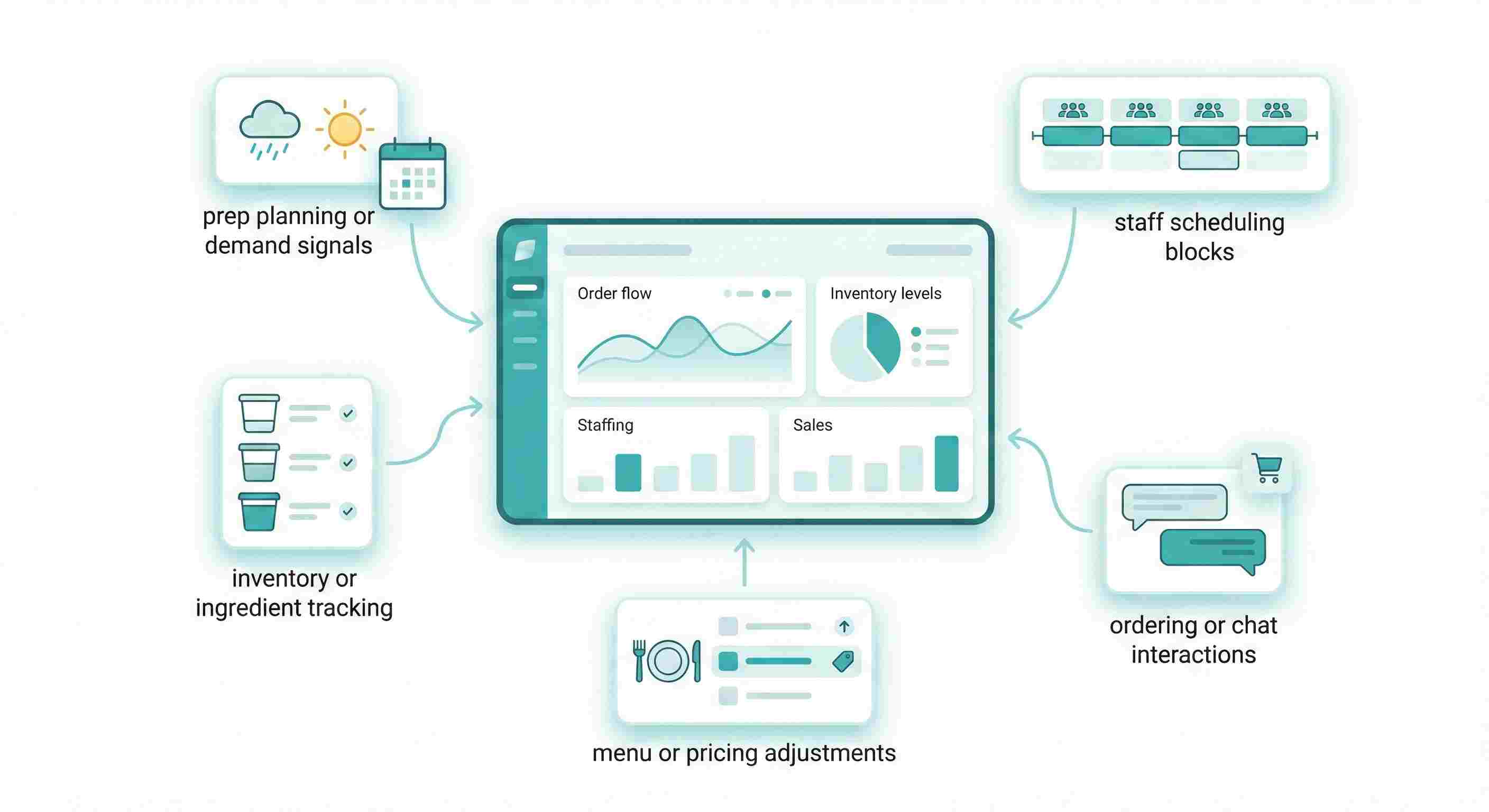
Running a restaurant has always been about timing, consistency, and margins. AI is now part of that mix, not as a buzzword, but as software that helps restaurants make better calls every day. From forecasting demand to handling orders, many teams already rely on it in quiet, practical ways.
Below are clear examples of how restaurants are using AI right now, what problems it solves, and how it fits into real operations.
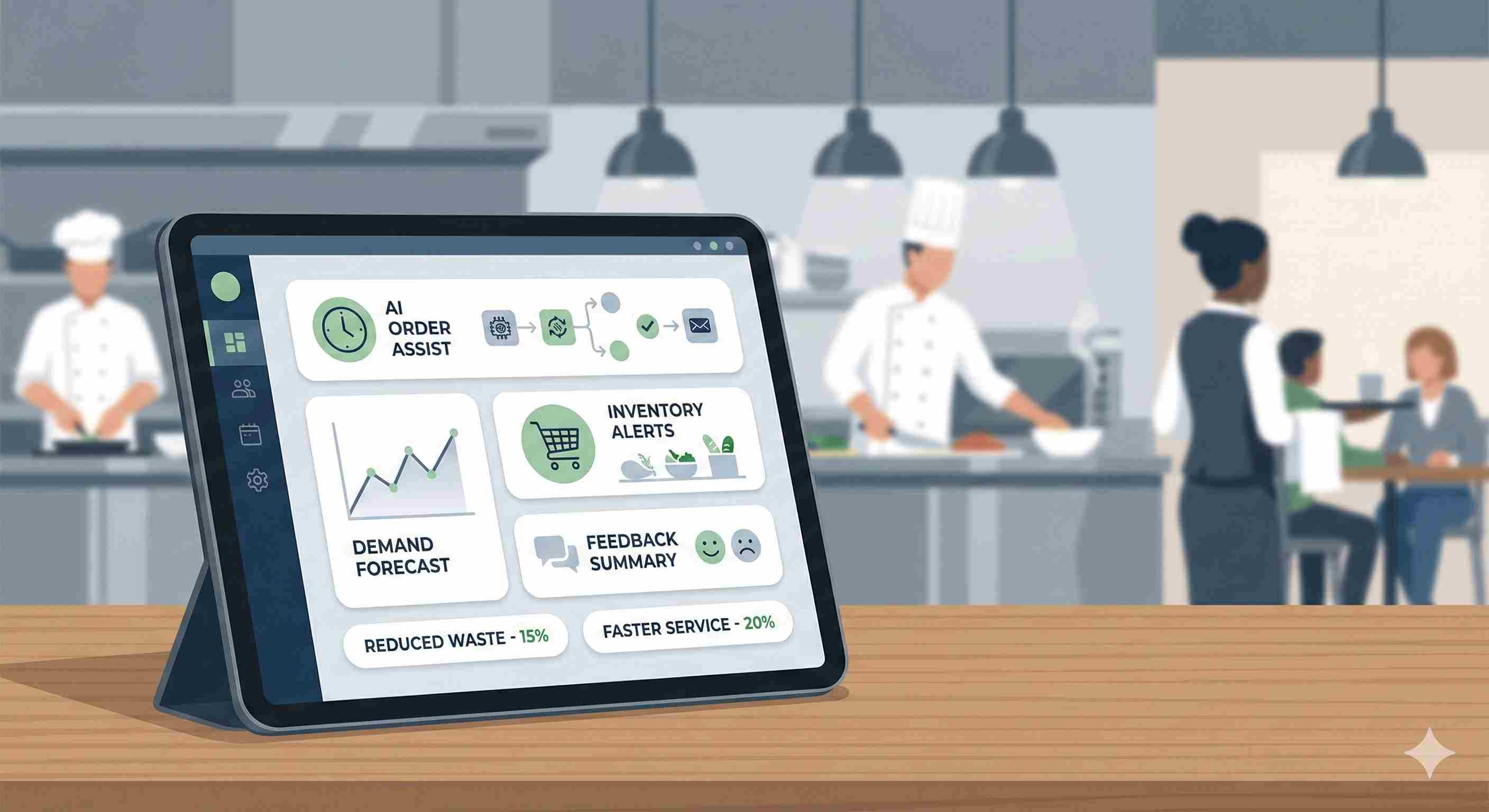
Ready to Use AI in Your Restaurant?
Start with one use case and improve operations step by step.
1. Demand forecasting and prep planning
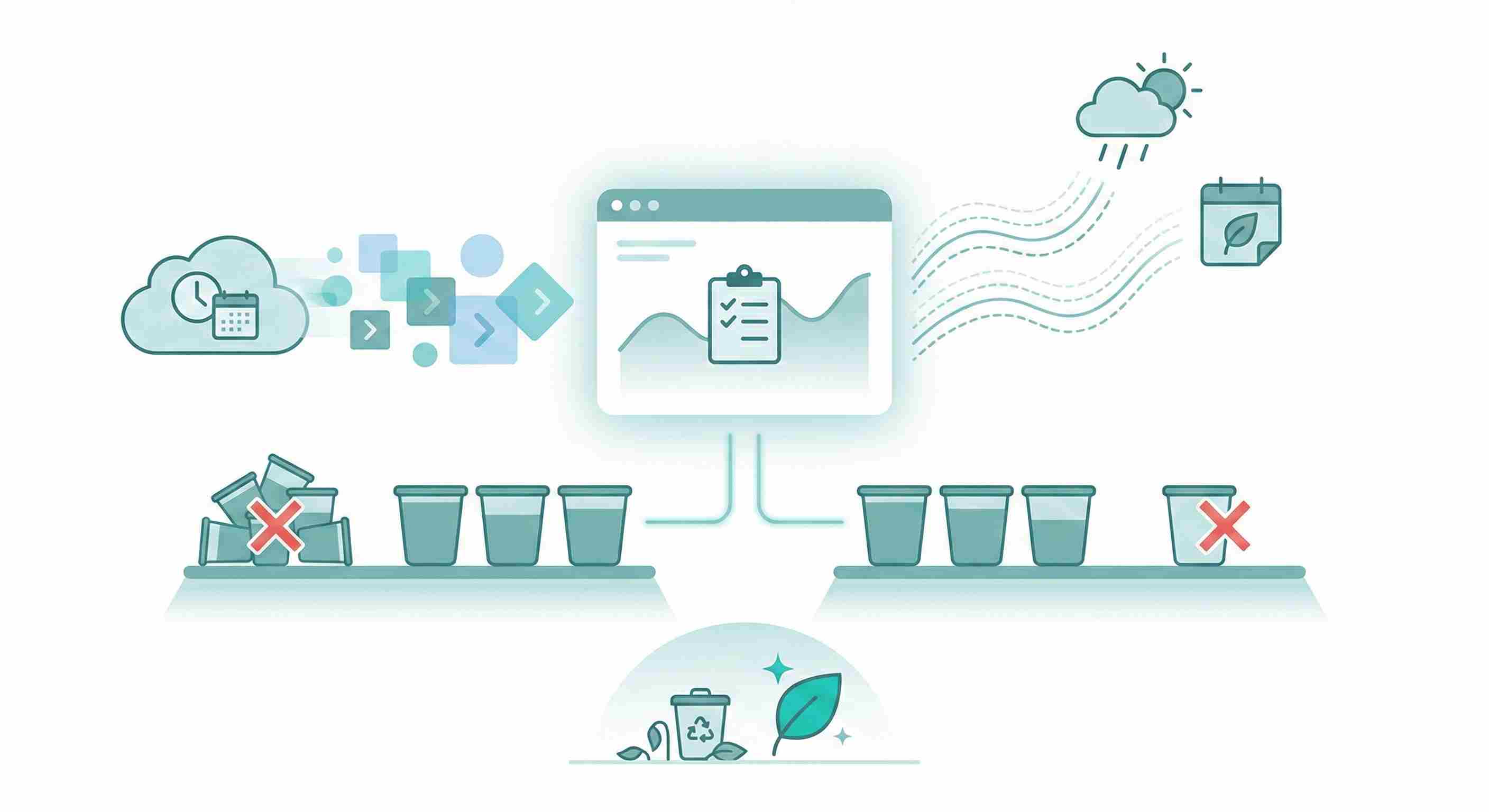
Food waste and stockouts both hurt margins. AI models look at past sales, day of week, weather, local events, and even delivery app trends to predict what will sell.
Large chains like McDonald's use demand prediction to plan prep levels by location and hour. The result is fresher food and fewer items tossed at the end of the day.
Smaller restaurants use similar tools through POS systems. A café can see that iced drinks spike on hot afternoons and prep accordingly. That means fewer rush hour shortages and less over ordering in the morning.
2. Smarter inventory management
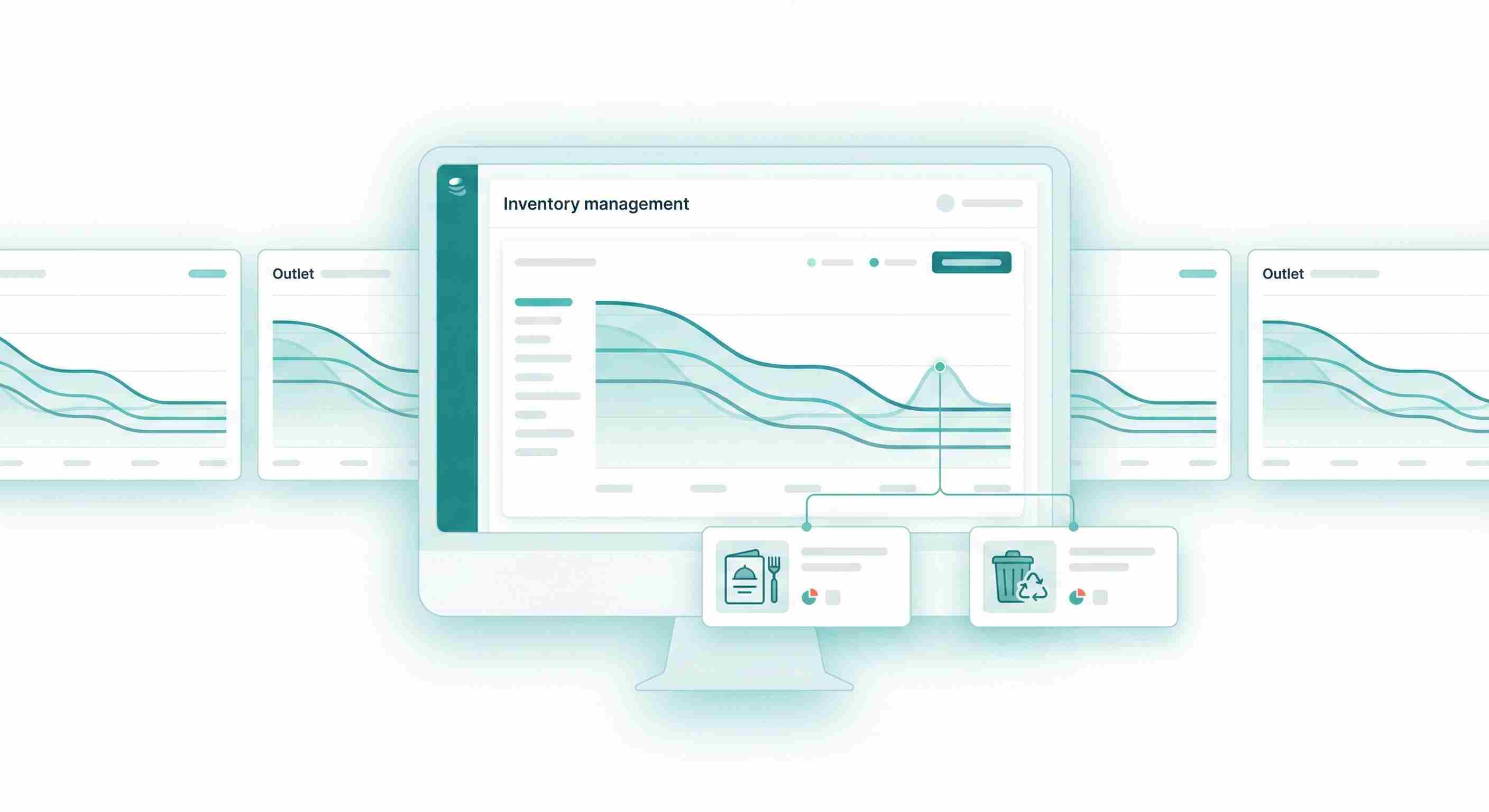
Inventory used to mean weekly counts and guesswork. AI now tracks ingredient usage in real time and flags issues early.
If mozzarella usage suddenly jumps, the system checks menu sales, discounts, and waste logs. It can tell whether the cause is a popular special or a problem in the kitchen.
Many multi-outlet brands use this to standardize purchasing. A regional manager can spot which locations waste more produce and fix it with training or portion changes.
3. Menu optimization based on real behavior
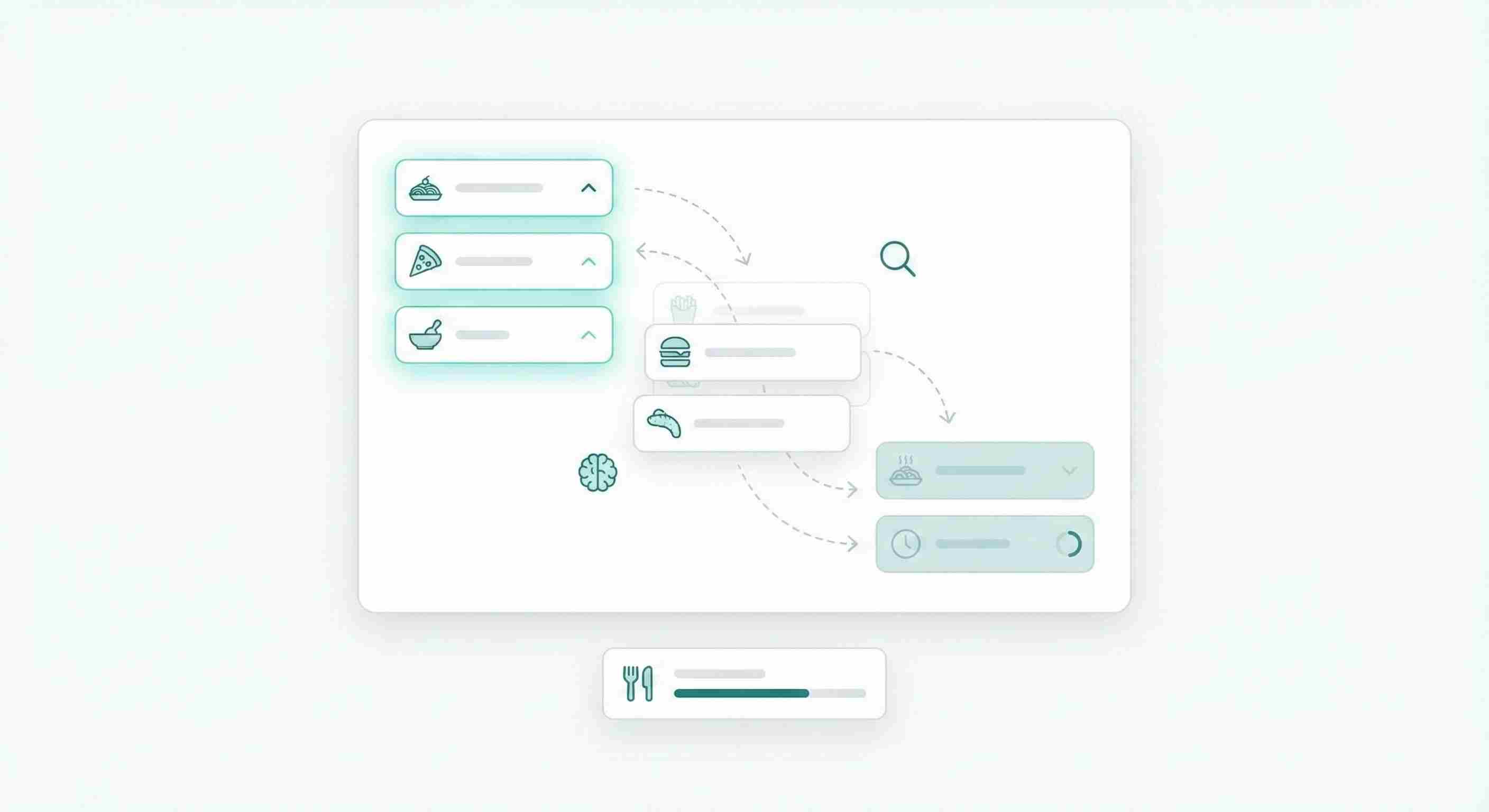
Menus generate data every day. AI reads that data faster than any manager.
It tracks which items sell, which get ignored, and which slow the kitchen. Then it suggests changes like moving a high margin item to a better spot or removing a dish that adds prep time without enough sales.
Starbucks uses data-driven insights to test new drinks and retire underperforming ones. Even small restaurants can do this now through digital menus and POS reports.
4. Dynamic pricing and offers
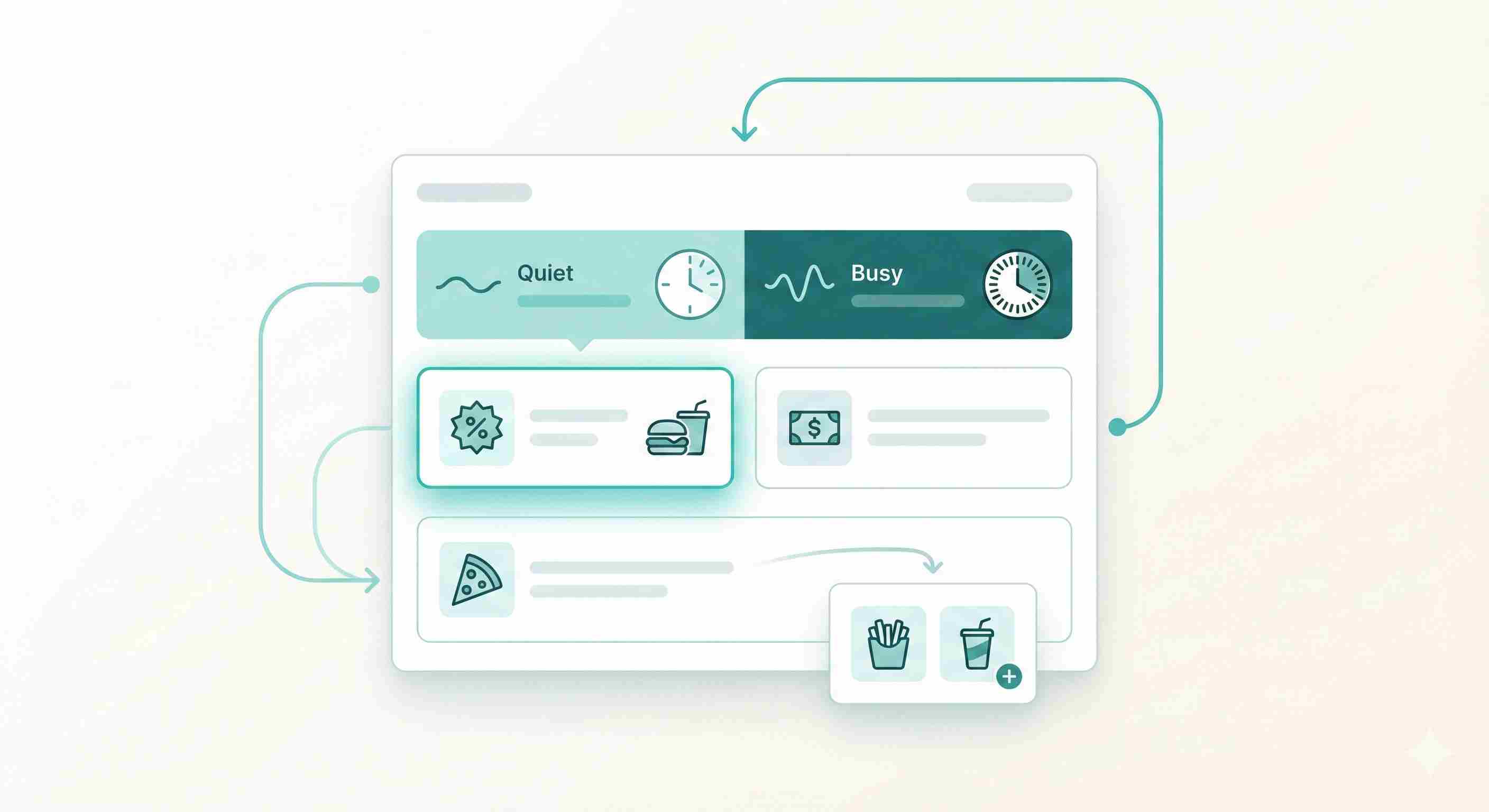
Some restaurants adjust prices or offers based on demand and timing. AI helps decide when.
For example, slow weekday afternoons can trigger targeted discounts through an app. Busy hours can remove promos to protect margins.
Delivery focused brands like Domino's test offers constantly and learn which ones increase order size without cutting profit.
For independents, this often shows up as simple rules. Send a lunch combo to nearby office workers at 11 am. Offer dessert add-ons to customers who usually order mains only.
5. AI powered ordering and chatbots
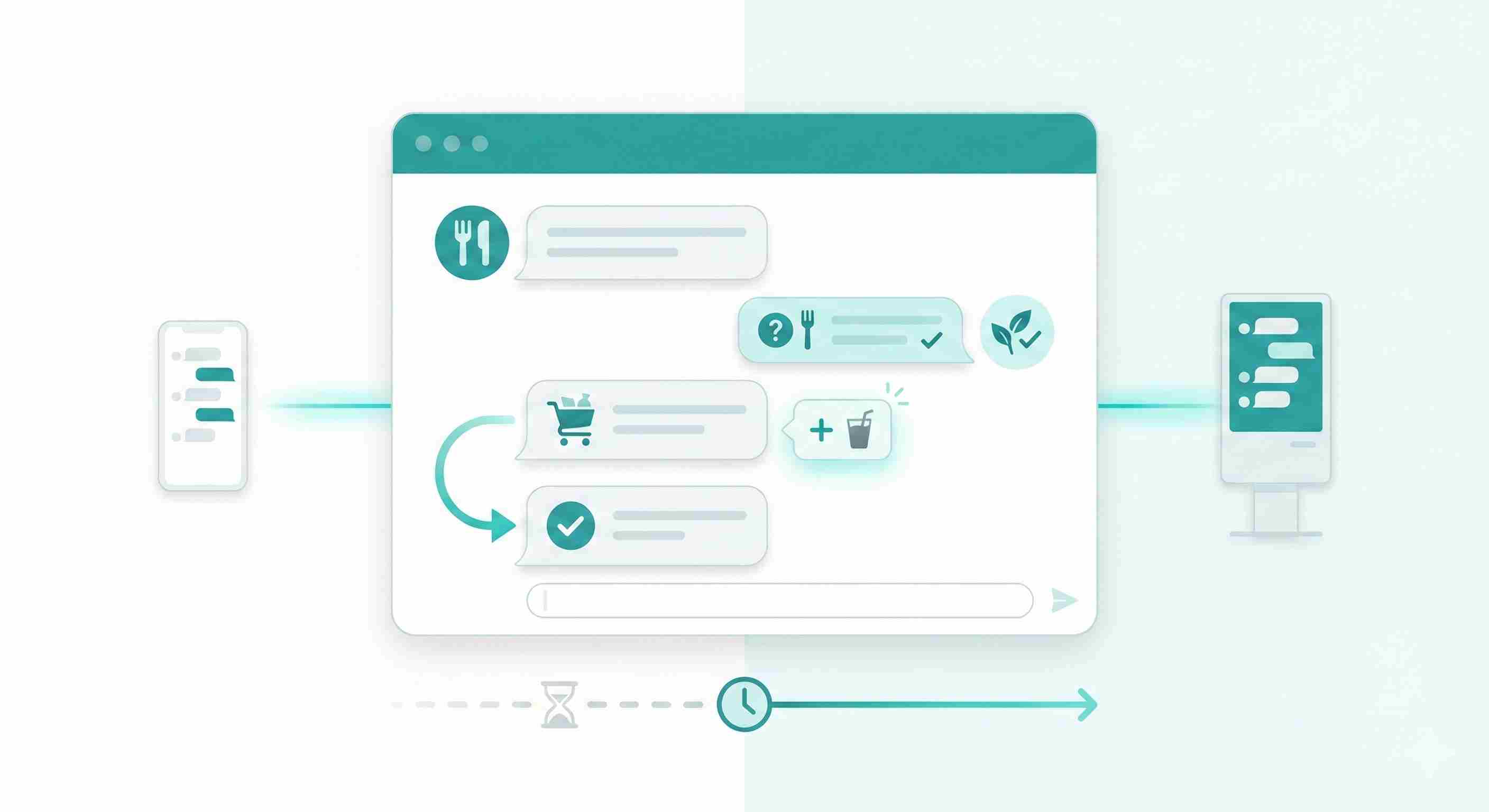
Order taking eats staff time and causes errors. AI chatbots now handle many of these tasks.
On websites and WhatsApp, bots answer menu questions, take orders, and confirm delivery details. In-store kiosks use AI to suggest add-ons based on the current order.
This reduces wait times and frees staff to focus on service. It also increases average order value by suggesting items that make sense, like drinks with meals.
6. Labor scheduling that matches reality
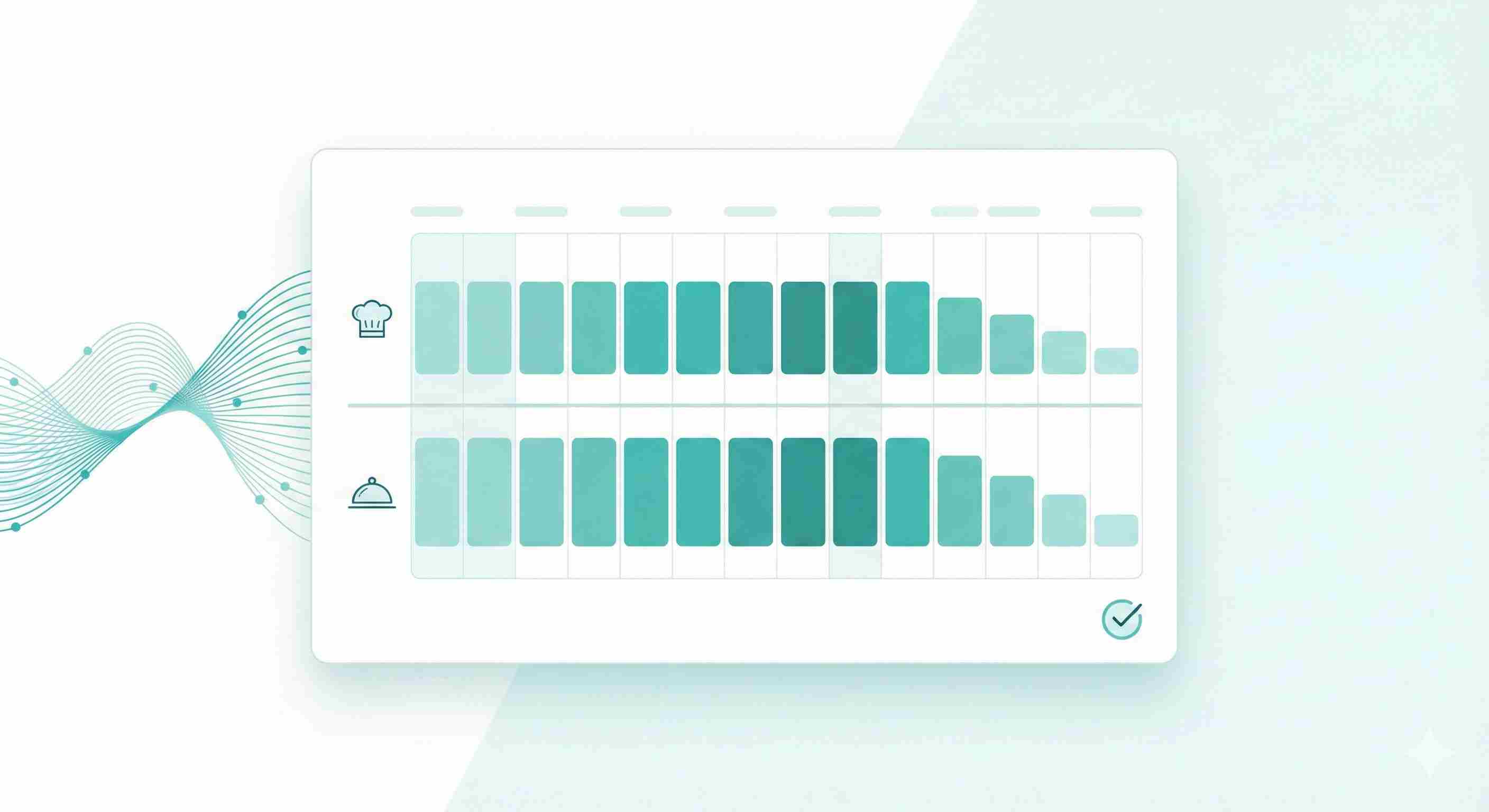
Staffing is one of the hardest parts of restaurant ops. Overstaffing costs money. Understaffing kills service.
AI looks at expected footfall, delivery volume, and past rush patterns to suggest shift schedules. It learns which days need more cooks and which hours need more front of house staff.
Managers still approve schedules, but the guesswork drops. Teams stay lean without burning out employees.
7. Customer feedback and review analysis
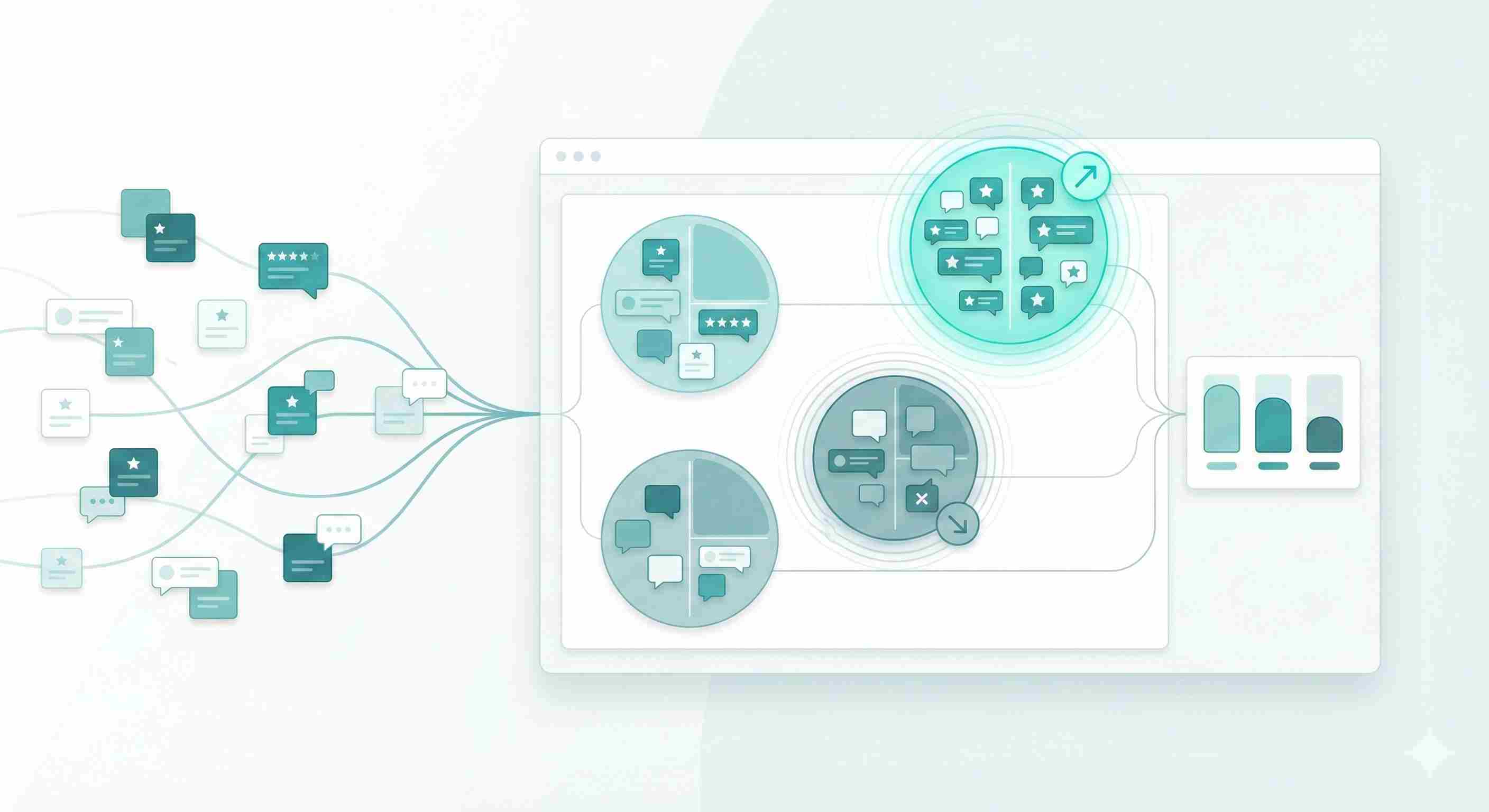
Reviews pile up across Google, Zomato, and delivery apps. AI reads them all and groups common issues.
If many customers mention slow service on weekends, the system flags it. If a new dish gets praise, it highlights that too.
Instead of reading hundreds of reviews, owners see clear themes. That makes it easier to act fast and fix real problems.
8. Personalized loyalty and repeat visits
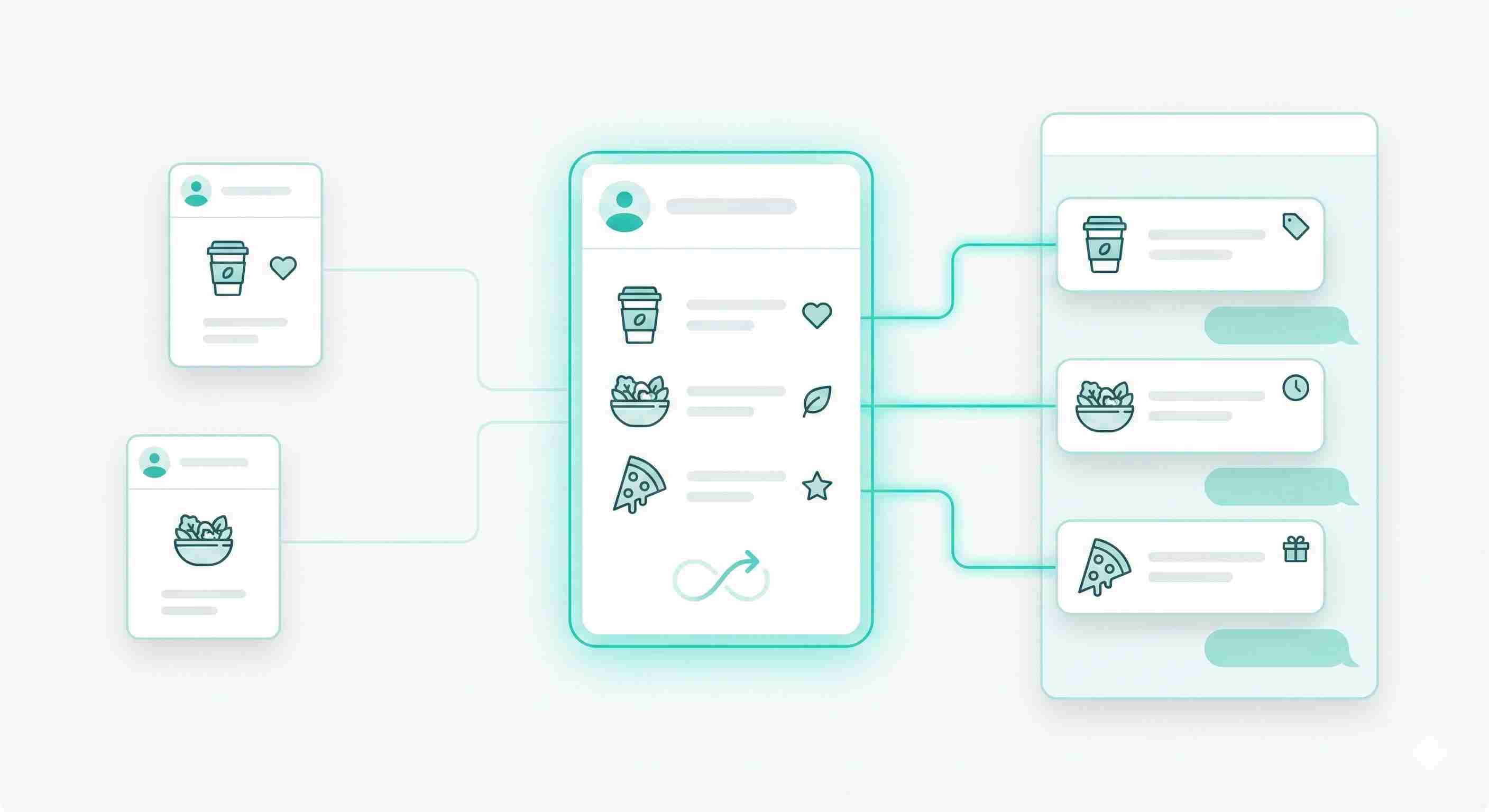
AI helps restaurants treat regulars better without manual tracking.
It remembers past orders and sends relevant nudges. A customer who orders vegetarian dishes gets notified about a new veg special. Someone who orders late night sees a reminder at the right time.
This kind of personalization increases repeat visits without spamming everyone with the same offer.
9. Kitchen operations and quality control
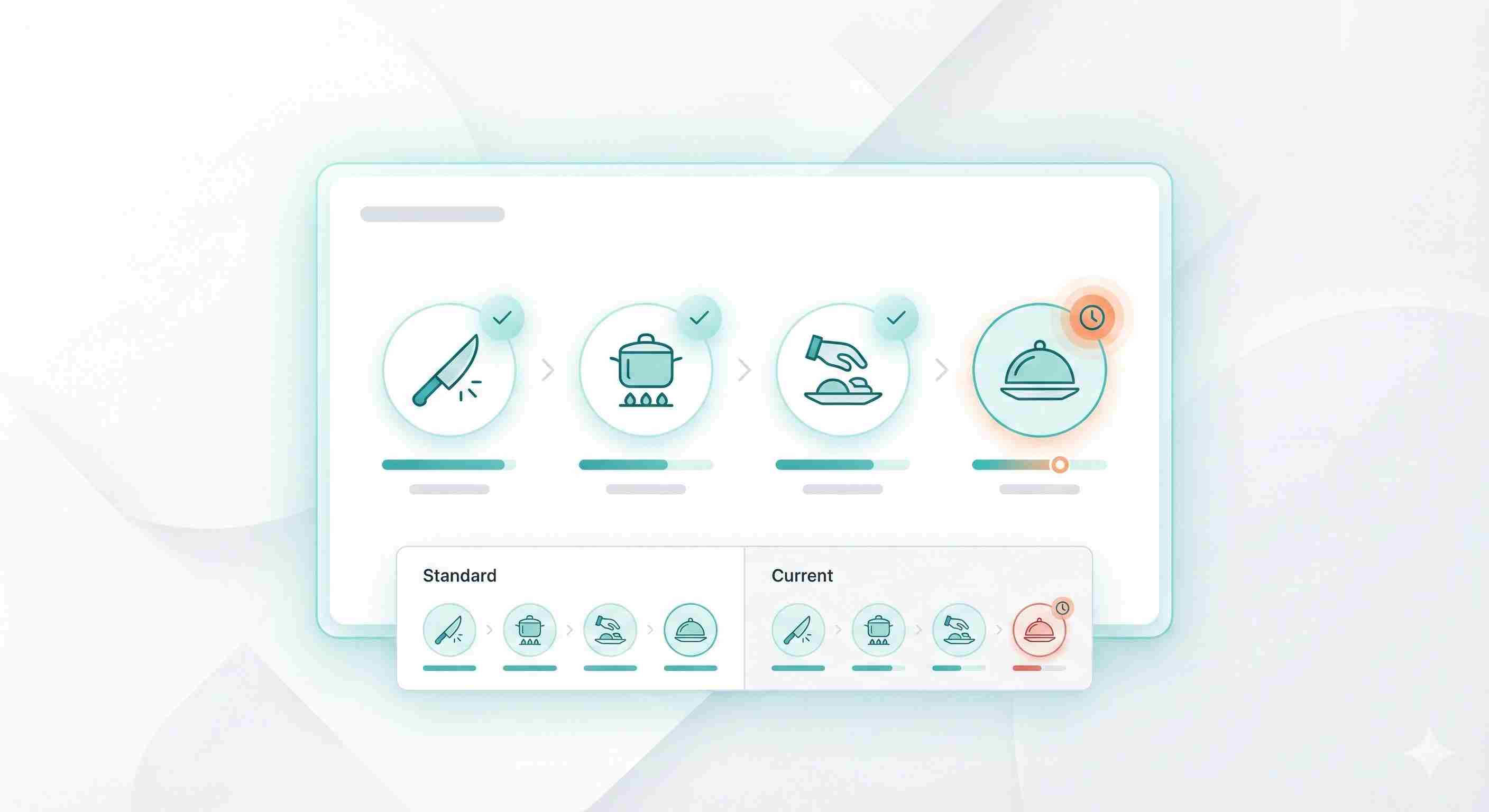
Some kitchens use cameras and AI to monitor prep and plating. The goal is consistency and safety.
AI can flag if food sits out too long or if a step is skipped. It can also help train new staff by showing where they deviate from standard processes.
This matters most for chains, but high-volume kitchens also benefit from fewer mistakes and faster training.
How restaurants should start with AI
You don’t need to adopt everything at once. Most restaurants start small.
1. Use AI features already built into your POS or delivery platform
2. Automate one problem, like demand forecasting or order taking
3. Measure results for a month
4. Expand only if it saves time or money
AI works best when it supports daily decisions, not when it replaces human judgment.
Conclusion
AI in restaurants is already here. It plans prep, reduces waste, improves menus, and handles routine customer interactions. The best results come from practical use cases that fit existing workflows.
Restaurants that treat AI as a quiet helper see steady gains. Those chasing trends usually don’t. The difference comes down to focusing on real problems and letting the data guide small, smart changes.
Try AI for Daily Restaurant Tasks
Create an AI agent and see how it fits into your restaurant’s workflow.