How Fast Responses Impact Customer Retention and Revenue
Created: 22/12/2025
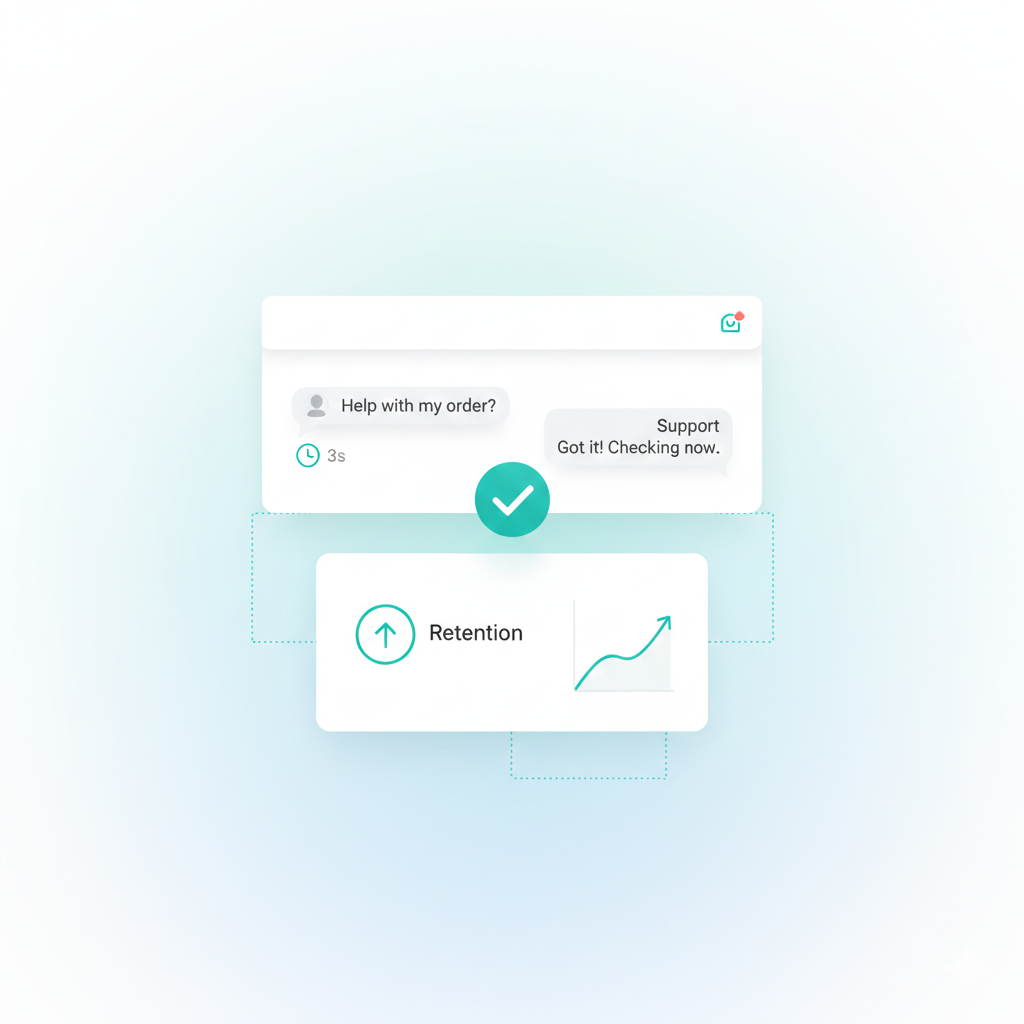
Customers ask questions when it matters. During checkout. After a billing issue. When something breaks. What happens next shapes whether they stay or leave.
Response speed has become part of the product. Slow replies feel like silence. Fast replies feel like care.
Why response speed matters more than ever
People expect answers now. They are used to instant delivery, instant payments, and instant updates. Support delays stand out.
When a customer reaches out, they already feel a bit unsure. A fast response eases that tension. A slow one increases it.
Speed signals reliability. It tells customers you are present and paying attention.
What customers do when support is slow
They do not wait patiently.
They try another channel.
They ask the same question again.
They abandon checkout.
They cancel without warning.
They leave reviews instead of tickets.
Picture a customer with a simple billing question. They wait hours. By the time the reply arrives, they have already decided the business is hard to deal with.
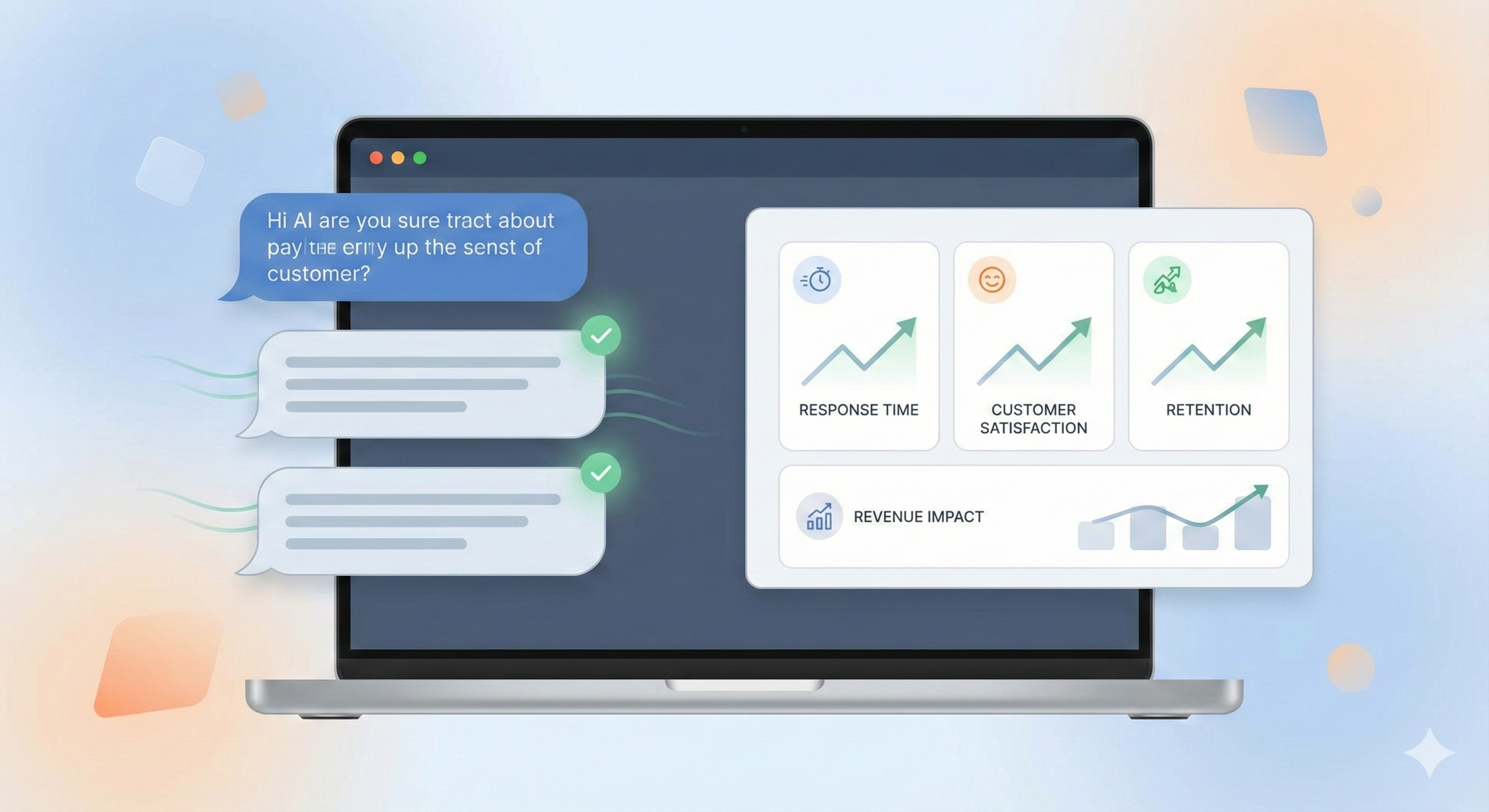
Try Instant Customer Responses
Create a simple AI chatbot and see how faster replies change customer interactions.
What Actually Happens When Support Is Slow
Customers don't wait patiently when you take too long to respond. They take action.
They'll try reaching you on three different channels, hoping one works faster. They'll abandon their cart mid-checkout because a simple question went unanswered. Some will cancel their subscription without saying a word. Others skip you entirely and post a one-star review instead.
Here's a real scenario: Someone has a billing question. It's simple, probably takes 30 seconds to answer. But after three hours of silence, they've already decided your company is disorganized. They cancel. You never even knew they had a problem.

The link between response time and retention
Retention depends on how customers feel in small moments.
Fast replies stop frustration early.
Quick acknowledgment shows respect for time.
Early clarity prevents repeat issues.
Even if a full fix takes longer, an immediate response reassures the customer. That reassurance keeps them around.
Customers who feel heard stay longer. They renew more often. They complain less.
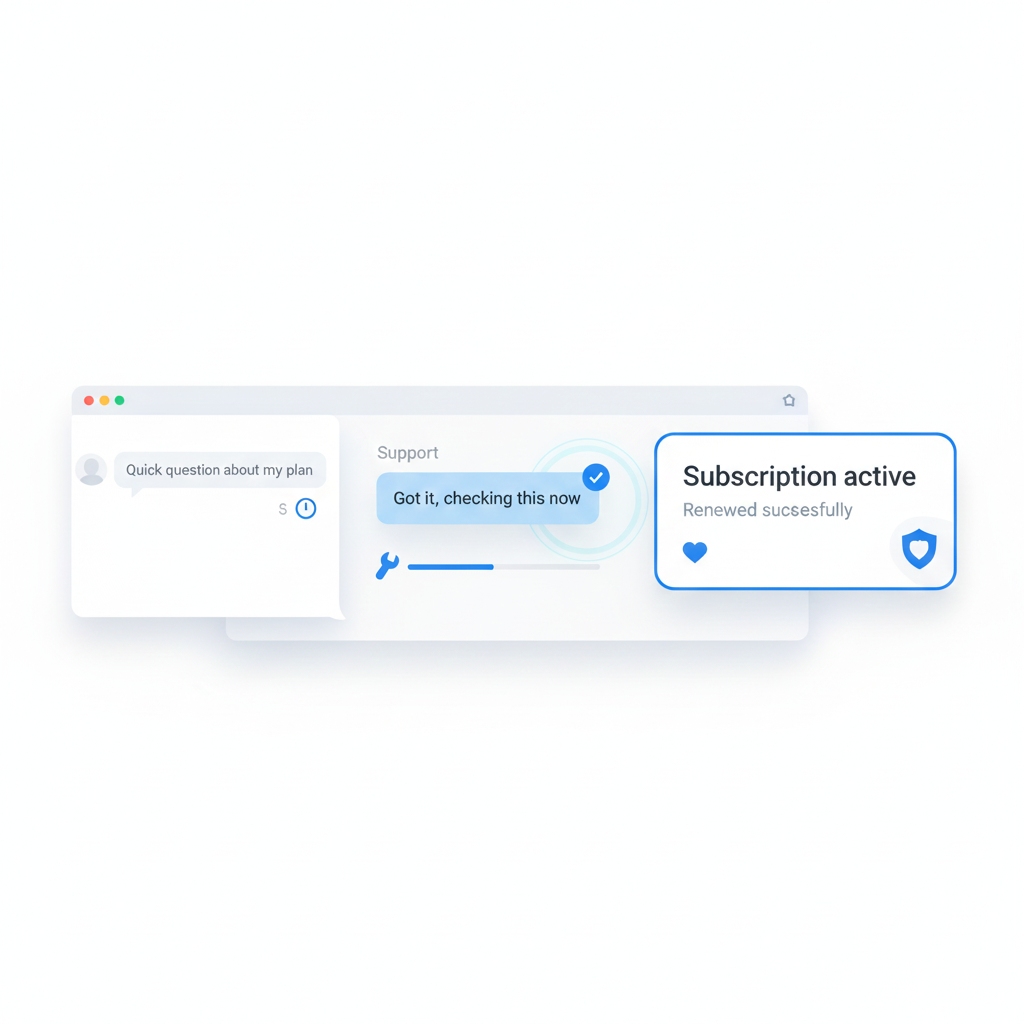
How response speed affects revenue
Revenue is tied to timing.
During checkout, a delay kills intent.
During upgrades, uncertainty stops decisions.
During renewals, unanswered questions push churn.
A customer asking about pricing or features is close to buying. If no one responds, that moment passes.
Fast answers recover abandoned purchases and support upsells. They keep money from leaking out through silence.
The hidden cost of slow responses
Slow responses create problems you won't notice until later.
Customers who don't get answers quickly will ask again-same question, on a different channel. Now you're handling double the volume. Some give up and request refunds or file chargebacks instead of waiting for help.
Your support team feels the pressure too. When tickets pile up, morale drops. Burnout increases. You end up hiring more people just to keep up with problems that faster initial responses could have prevented.
Churn is the worst part. A customer who had a bad support experience might stick around for a few months, but they're already looking for alternatives. By the time they leave, you've forgotten about that slow response. They haven't.
Why human teams struggle to respond fast
People need breaks. They work in shifts. They get overloaded.
Peak times create queues.
Simple questions fill inboxes.
Hiring more agents raises costs fast.
Even strong teams fall behind when demand spikes.
What instant responses change for customers
Instant replies remove friction.
Customers get answers when they ask.
No waiting. No follow-up emails.
Simple problems end in seconds.
Agents spend time on complex cases instead of repeating the same answers.
The experience feels smooth and calm.

Using automation to deliver speed without losing quality
Automation handles repetitive questions without making customers feel like they're talking to a robot.
Start with your FAQ content and help documentation. Most businesses already have this information. The trick is making it instantly accessible when someone asks. If a customer wants to know your return policy, they should get the answer in seconds, not after going through five pages.
The system should know when to escalate. Some questions need a person. But most don't. Let automation handle the routine stuff and route complex issues to your team right away.
Consistency is a bonus here. Automated responses don't vary based on who's working that day or how tired they are. Every customer gets accurate information, every time, 24/7.
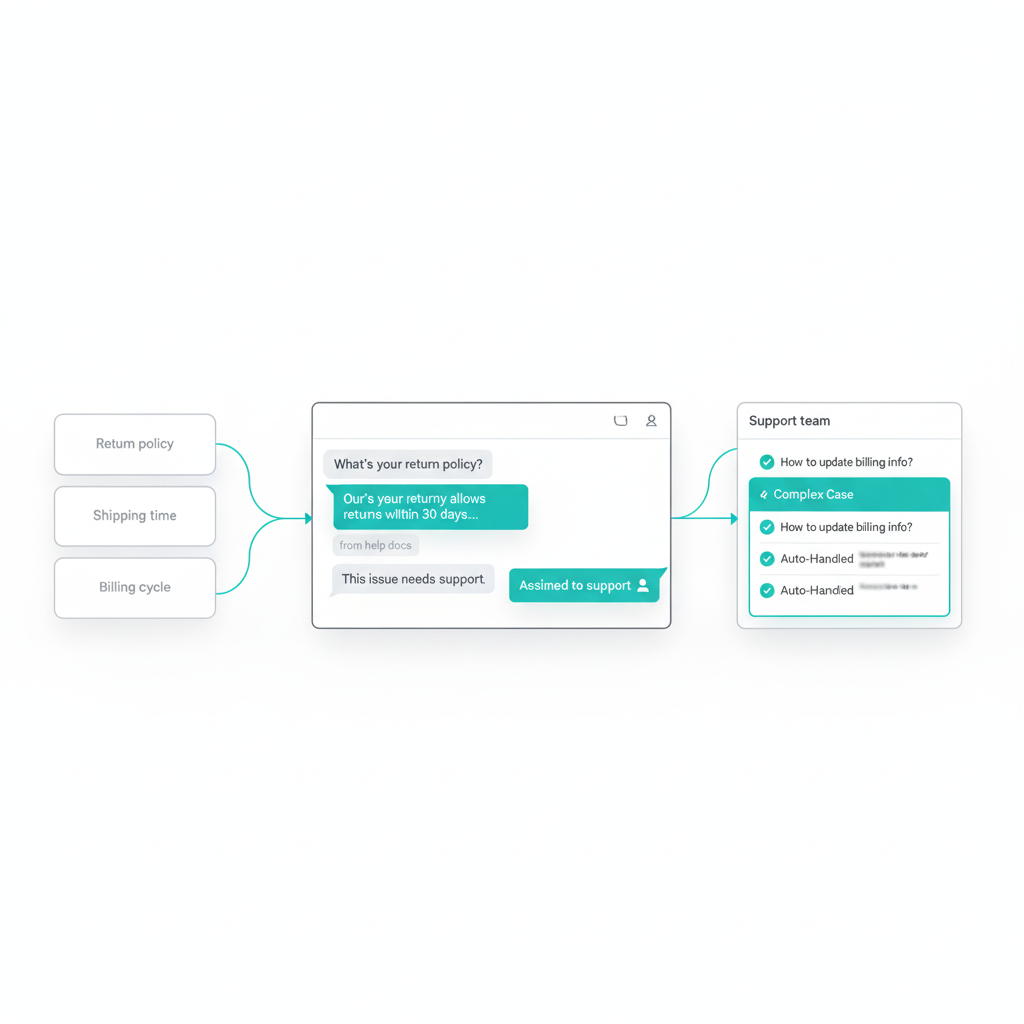
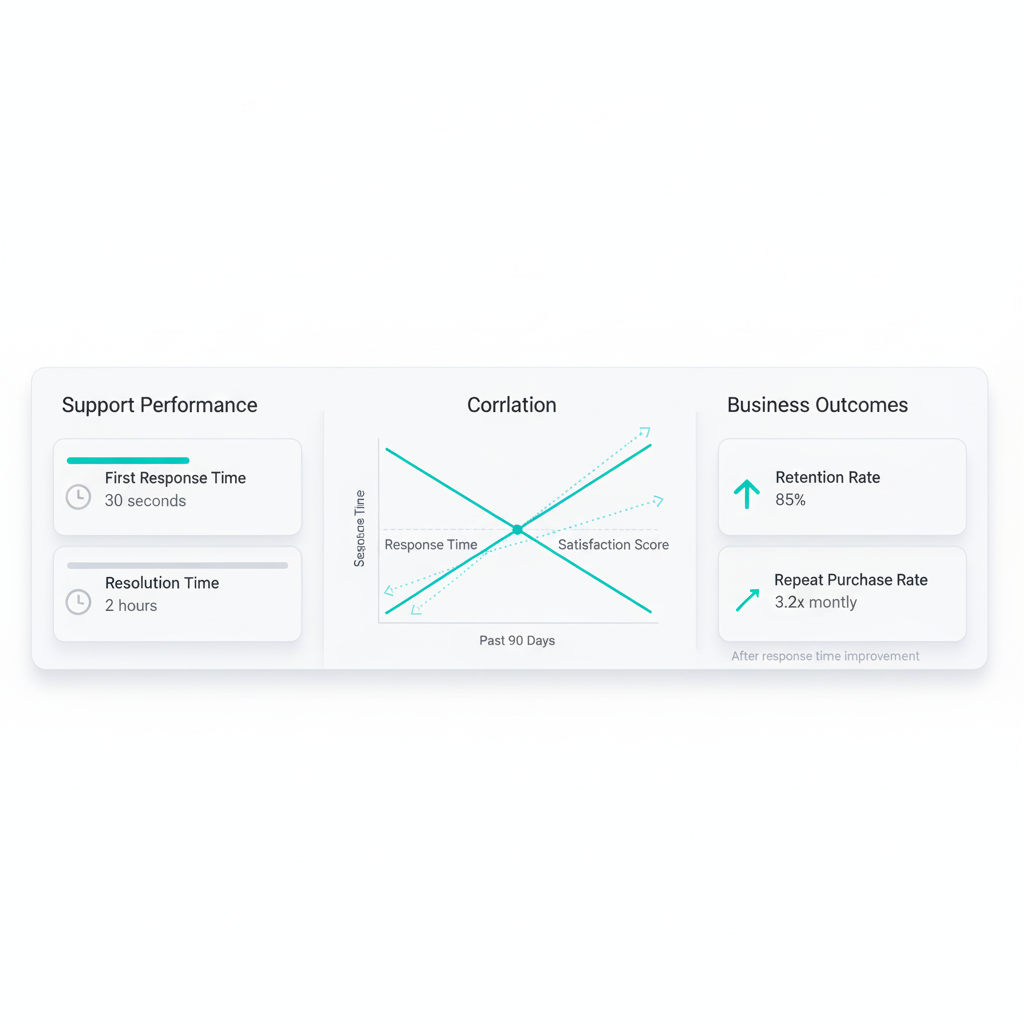
How to measure the impact
You need to measure response speed to improve it.
First response time tells you how long customers wait for acknowledgment. Ticket resolution time shows how long it takes to fully solve their problem. Both matter, but the first one sets expectations.
Customer satisfaction scores will change when you improve speed. Watch for patterns. If scores jump after you start responding faster, you've proven the connection.
Retention rate and repeat purchase rate are your real business metrics. Compare them before and after making changes to the response time. The impact should be clear within a few months.
Where to Start
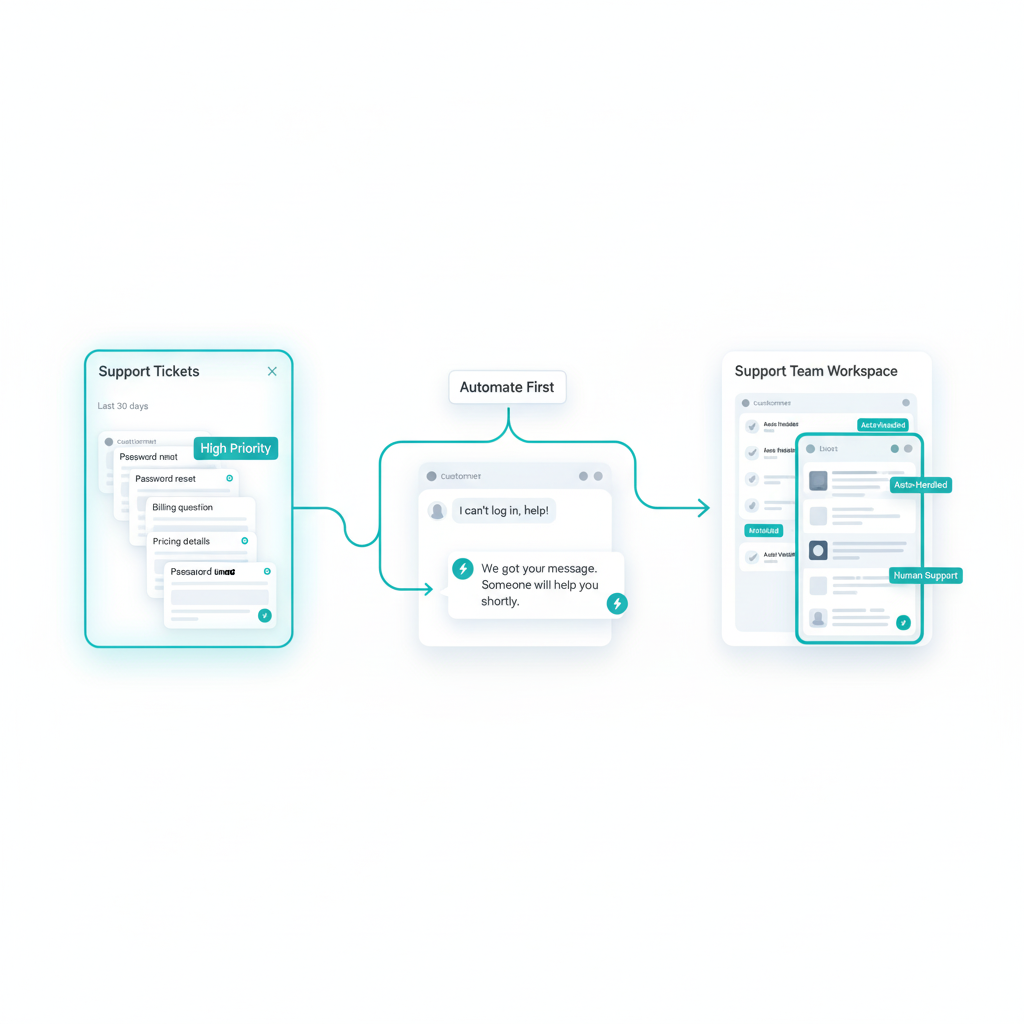
Don't try to fix everything at once. Start with what hurts most.
Look at your support tickets from the last month. Find the questions that come up repeatedly. Those are your targets. If twenty people ask about password resets every day, that's where automation pays off immediately.
Pricing questions, billing issues, and account access problems need fast answers more than anything else. These are moments where delays directly cost you money.
Make sure every customer gets an immediate first response. Even if it's just "We got your message, and someone will help you within an hour," that's better than silence.
Use automation where it makes sense. Don't force it into situations that need personal attention. The goal is to free up your team for real conversations, not eliminate human support entirely.
Speed Builds Everything Else
Fast responses create trust. Customers believe you'll be there when they need you. That trust keeps them subscribed, buying, and recommending you to others.
This isn't about responding faster for vanity metrics. It's about removing friction at the exact moments when customers decide whether to stay with you or move on.
Every delayed response is a chance for them to question their choice. Every instant answer reinforces that they made the right one.
Speed affects retention. Retention drives revenue. The connection is direct.
Turn Fast Responses Into Results
Create an AI-powered chat that replies instantly, keeps customers engaged, and reduces response delays.