Why Every Small Business Needs an AI Chatbot in 2025
Created: 06/09/2025
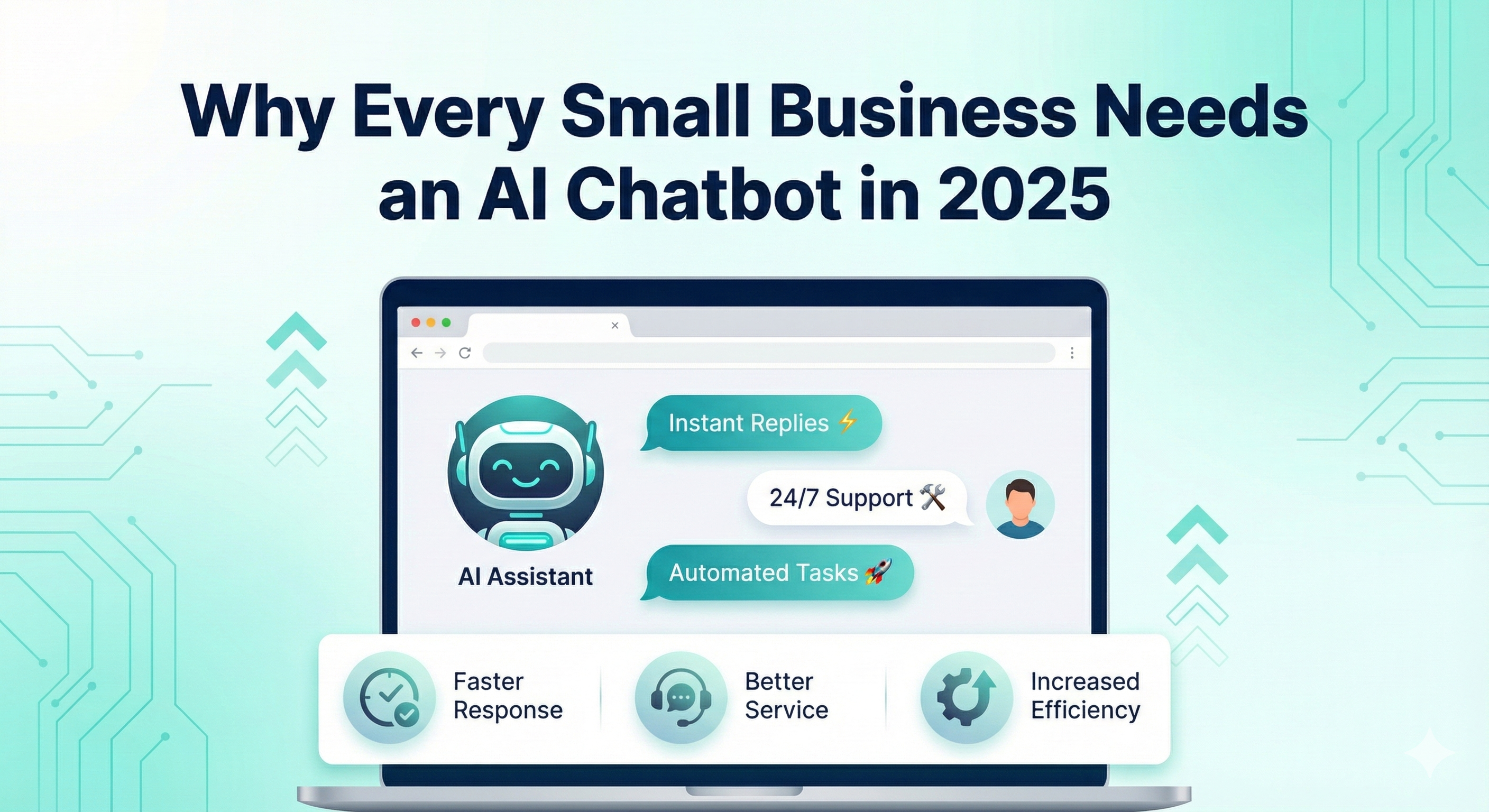
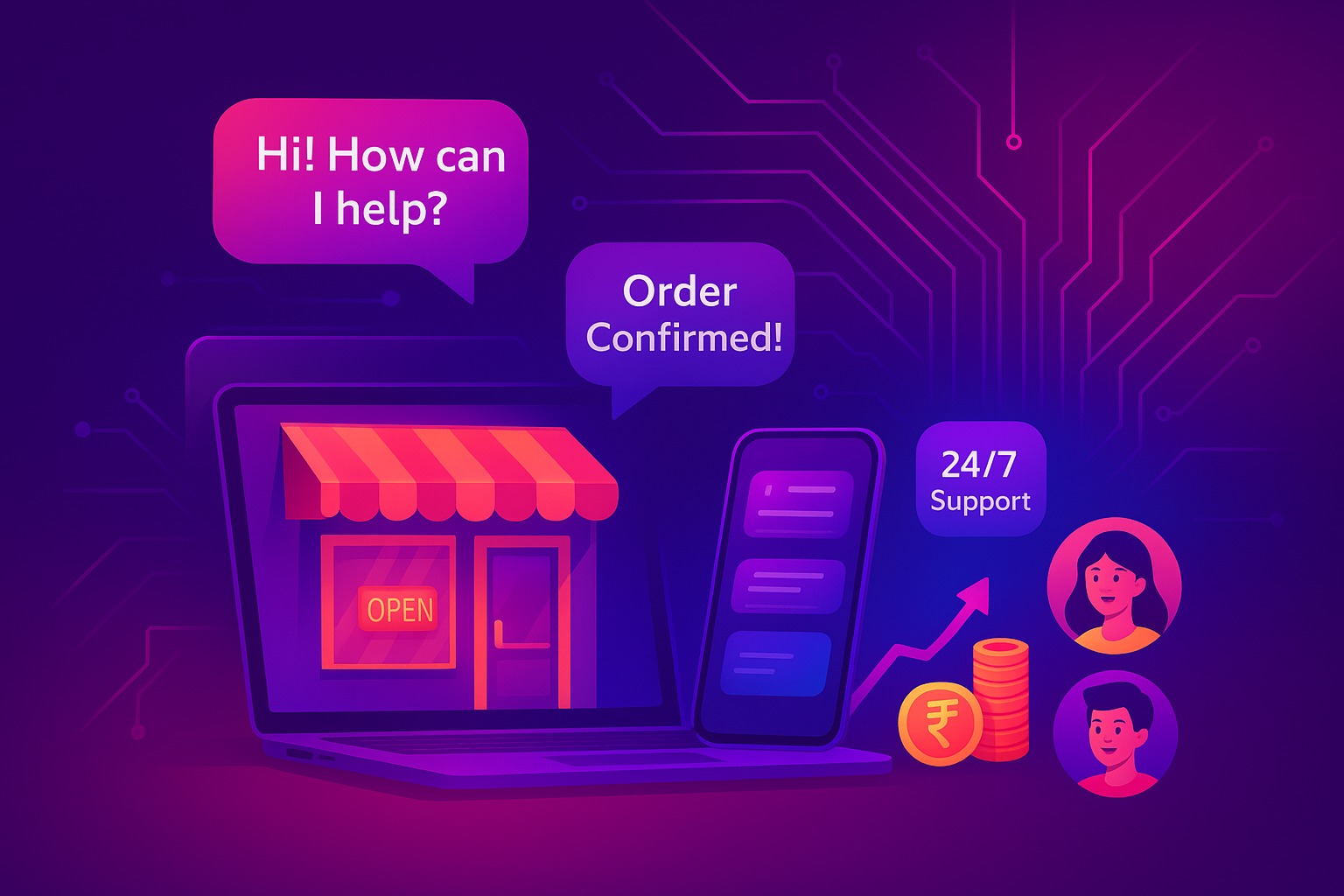
Technology is moving faster than most of us can keep up with. In just a few years, the way people interact with brands has changed completely. Customers no longer want to wait for store hours, stand in long queues, or be put on hold for answers. They expect speed, accuracy, and personalization at every step. For small businesses, this can feel like a huge challenge with limited staff, tight budgets, and increasing competition.
This is exactly where AI chatbots have started becoming game changers. By 2025, they are not just optional tools; they’re fast becoming the foundation of how small businesses deliver service and retain customers. Let’s break down why chatbots have become so essential, what they really do, and why your business will almost certainly need one if you want to keep up.
First, What Exactly Is an AI Chatbot?
At its core, an AI chatbot is a virtual assistant that can talk to your customers, answer their questions, and even help them make decisions without you or your team needing to step in every single time. Unlike older bots that could only give canned responses like “Yes” or “No,” modern AI-powered chatbots use natural language processing. That means they understand the way people actually type and speak.
A good chatbot today can:
• Answer frequently asked questions like pricing, delivery times, or refund policies.
• Guide customers to the right products or services.
• Collect information like email addresses or order details.
• Even handle transactions directly, like booking a table or confirming a payment.
For a small business, this means you suddenly have an extra “employee” who works around the clock, never takes breaks, and doesn’t need a monthly salary.
Why Chatbots Matter More in 2025 Than Ever Before
It’s not that customer service is new. But in 2025, customer expectations have changed in a way that small businesses can’t afford to ignore.
• Customers want instant replies: Waiting 24 hours for an email response feels outdated. In fact, research shows that more than 80% of consumers now expect responses within minutes.
• Competition has increased: Whether you run a café, a local boutique, or a service company, your customers likely have alternatives just one click away. If you can’t give them a fast answer, they’ll go to someone who can.
• Digital-first behavior: Post-pandemic, more people shop, book, and communicate online than ever before. Businesses that aren’t digital-friendly look old-fashioned and unreliable.
An AI chatbot is like having a front desk that never closes. It reassures customers that you’re available, professional, and willing to meet them where they are.
The 24/7 Support Advantage
Imagine your business closing at 9 PM. But your customers? They don’t stop browsing. Maybe someone wants to check your menu late at night. Another is comparing services at 11 PM. And a third wants to know if you’re open on public holidays. Normally, those queries would wait until the next morning and by then, you might have lost them.
Here’s where a chatbot makes all the difference. It’s always awake, always ready to respond. That 24/7 presence means:
• Customers never feel ignored, no matter the time of day.
• You don’t lose potential sales just because someone couldn’t reach you.
• Even if the query is complex, the chatbot can acknowledge the customer and schedule a callback, which feels more professional than silence.
Think about how large companies handle this. Giants like Amazon or Zomato have set the standard: they respond instantly. Customers now expect the same, even from smaller businesses. A chatbot lets you compete on that level without the resources of a global company.
Breaking Down Cost Savings
For small businesses, every rupee or dollar counts. Hiring more staff to manage customer queries might sound like a solution, but the costs quickly pile up. Salaries, training, benefits, and turnover can eat into profits faster than expected.
With a chatbot, the economics shift dramatically:
• Reduced staffing costs: Instead of hiring an extra customer service representative, the chatbot handles routine queries. Staff can then focus on complex tasks that truly require human intervention.
• Lower operational expenses: No need for larger office space or extra equipment for additional staff.
• Fewer mistakes: Human employees can forget details, miss messages, or get tired. A chatbot doesn’t. This prevents costly errors like lost orders or miscommunication.
• Scalability: Whether you get 10 messages a day or 500, the cost of running a chatbot remains almost the same. Imagine paying one employee to serve 500 customers at once—it’s impossible. But for a bot, it’s standard.
Insight: Many businesses underestimate how much customer service truly costs them. A report by IBM found that companies spend over $1.3 trillion annually to handle customer service calls. Chatbots can cut those costs by 30% or more. While those are global numbers, the principle applies everywhere; even a local bakery can save significant amounts by not having to answer the same “Do you deliver?” question dozens of times daily.
Now picture this over a year: the savings aren’t just small, they can mean the difference between staying profitable and struggling to break even.
How Chatbots Boost Customer Satisfaction
Cost savings are critical, but let’s not forget the heart of business: customers. Happy customers are repeat customers, and in 2025, satisfaction is more than just polite service; it’s about convenience, speed, and personalization.
Chatbots play a big role in all three:
• Convenience: Customers get answers right away without having to call or email.
• Speed: Instead of waiting for a human response, they get what they need instantly.
• Personalization: Modern chatbots remember past conversations and tailor responses. If someone asked about vegetarian options last time, the bot can suggest them again automatically.
And the psychology matters here. When customers feel heard, they are far more likely to trust your business and recommend it to others.
Insight: According to a recent HubSpot survey, 90% of consumers rate “immediate response” as essential when they have a customer service question. That means your responsiveness directly affects customer loyalty. A chatbot gives you the power to meet that demand consistently.
Real-World Examples in Action
This shift isn’t just a theory; it’s happening everywhere.
• India’s food delivery space: Swiggy introduced AI-powered chat support that helps users resolve issues like wrong orders, refunds, or delivery delays within minutes. Small restaurants listed on the platform benefit too, since they don’t need to individually handle every customer complaint.
• Local salons and clinics: Many urban businesses now use WhatsApp-based chatbots to manage appointments. Customers simply type “Book appointment” and get an instant confirmation, often without needing to call.
• Retail stores: Indian clothing brand Bewakoof uses automated chat to answer order-related queries, track shipments, and guide buyers toward the right product. This has reduced pressure on their small support team significantly.
Of course, this isn’t limited to India. Even abroad, small businesses have embraced chatbots as survival tools. For instance, small e-commerce stores in the US rely on Shopify-integrated bots to answer FAQs, while European cafés use them to manage reservations and menu queries.
Together, these examples prove a chatbot isn’t futuristic anymore; it’s already transforming small businesses around the world.
Final Thoughts
The truth is simple: in 2025, customers expect small businesses to offer the same speed and service as big brands. While hiring a large team isn’t realistic for most, chatbots provide the bridge. They save money, improve satisfaction, and ensure you’re always available—without burning yourself out.
For small businesses, an AI chatbot is not about replacing human touch; it’s about making sure that touch is meaningful. Instead of spending hours answering repetitive queries, you and your team can focus on building relationships, improving products, and growing your business.
So, whether you’re running a café, a salon, an online store, or a consultancy, one thing is clear: an AI chatbot in 2025 is less of an option and more of a necessity. It’s the digital partner that works behind the scenes, ensuring your customers never feel neglected and your business never misses an opportunity.