Top 7 Use Cases of AI Agents for Small and Medium Businesses in 2026
Created: 11/01/2026
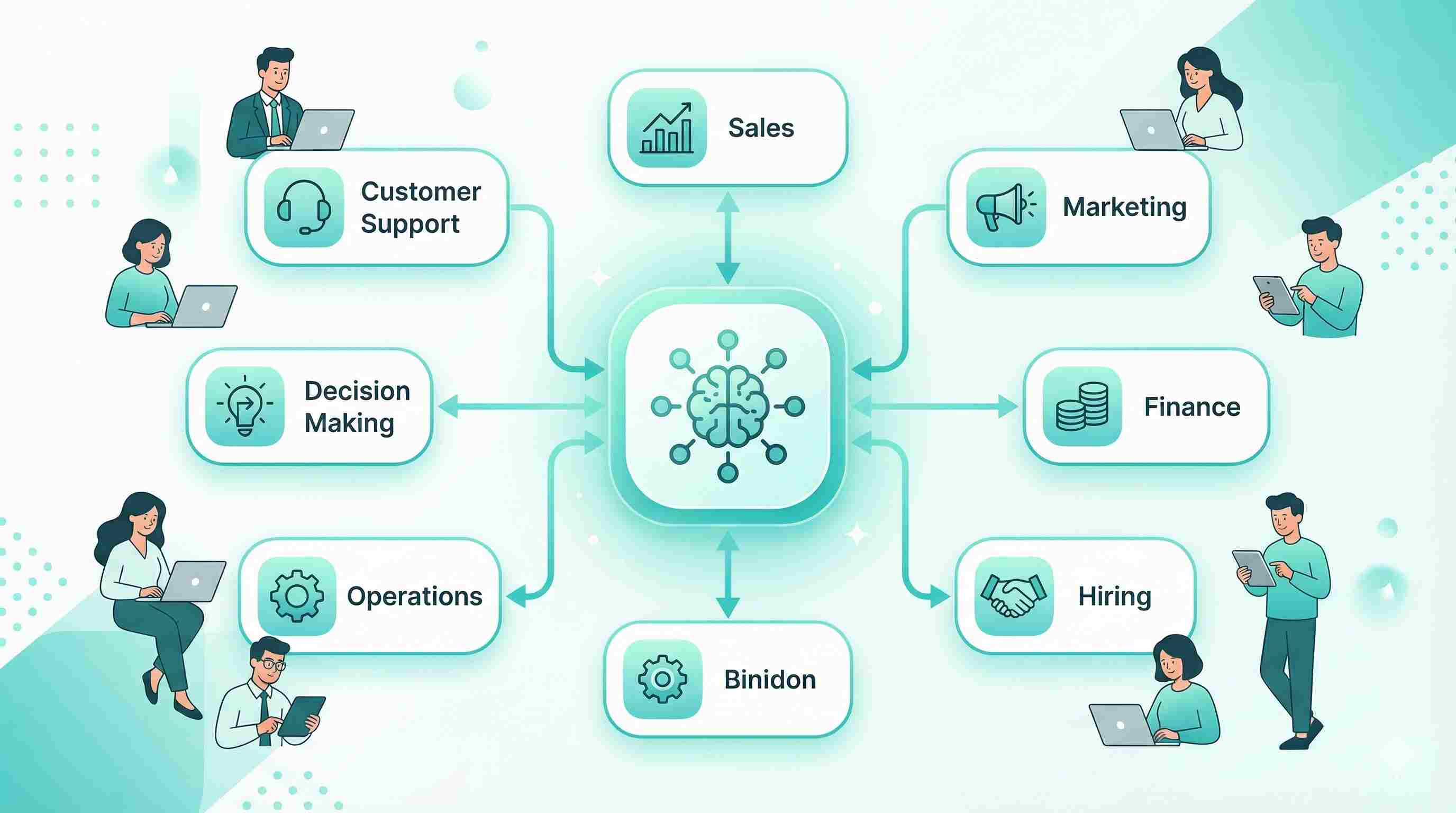
AI agents are no longer experiments or side projects. For many small and medium businesses, they already handle real work every day. In 2026, the difference between growing teams and stuck teams often comes down to how well these agents are used.
This guide focuses on practical use cases that save time, reduce costs, and improve outcomes. No theory. No fluff. Just where AI agents earn their keep.
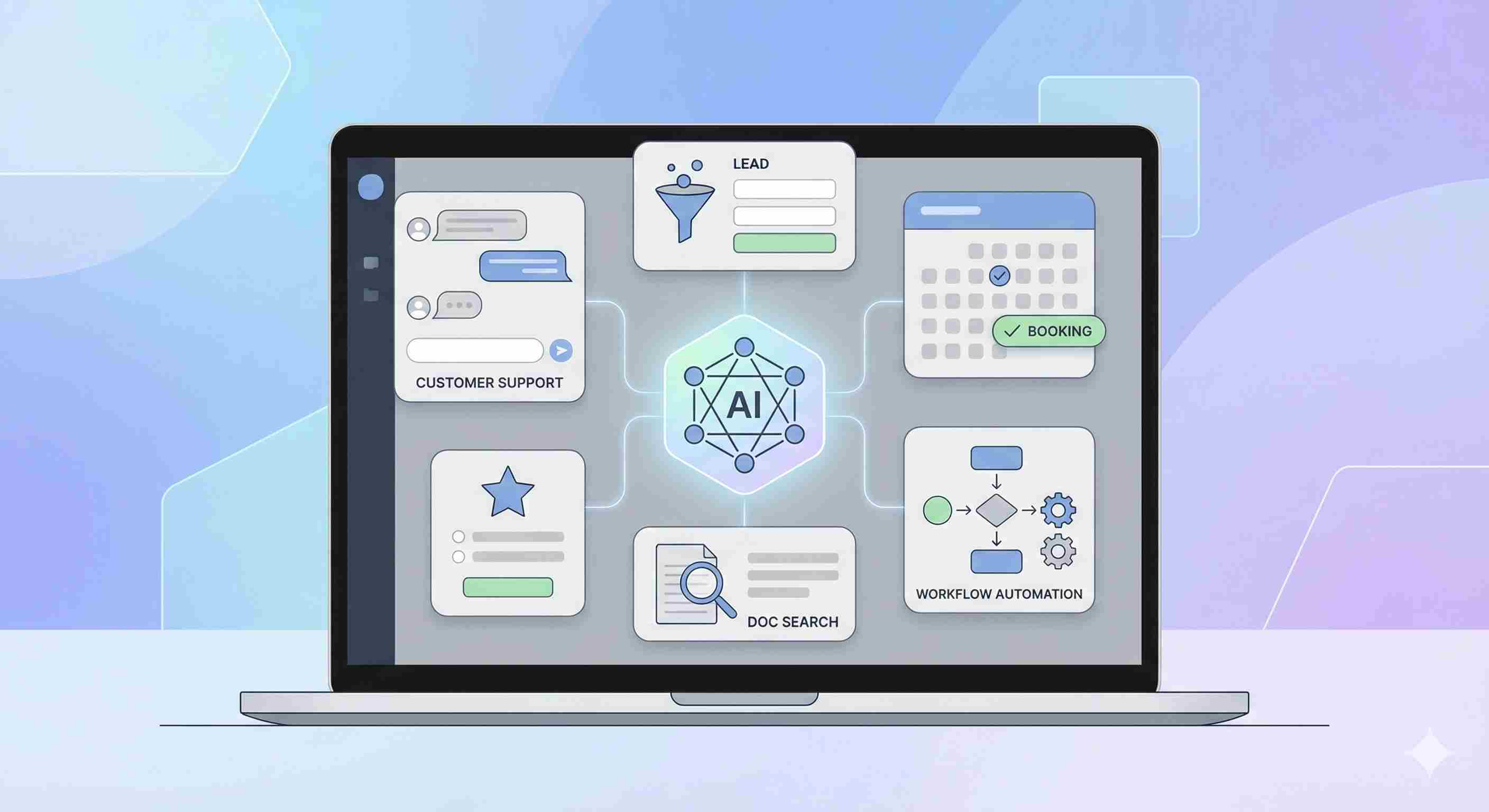
1. Customer support that runs all day without growing the team
Most SMBs still rely on small support teams juggling email, chat, and tickets. AI agents now handle the first line of support with accuracy that was not realistic a few years ago.
A well-trained agent can answer FAQs, track orders, handle refunds, and escalate only the cases that need a human. For example, an e-commerce brand can connect an AI agent to its order system and help desk so customers get instant updates instead of waiting hours.
Many teams integrate this with tools like Zendesk or simplagents and see ticket volume drop without hurting satisfaction.
Key benefit
Faster replies, lower workload, and fewer hires
2. Sales assistants that qualify leads before humans step in
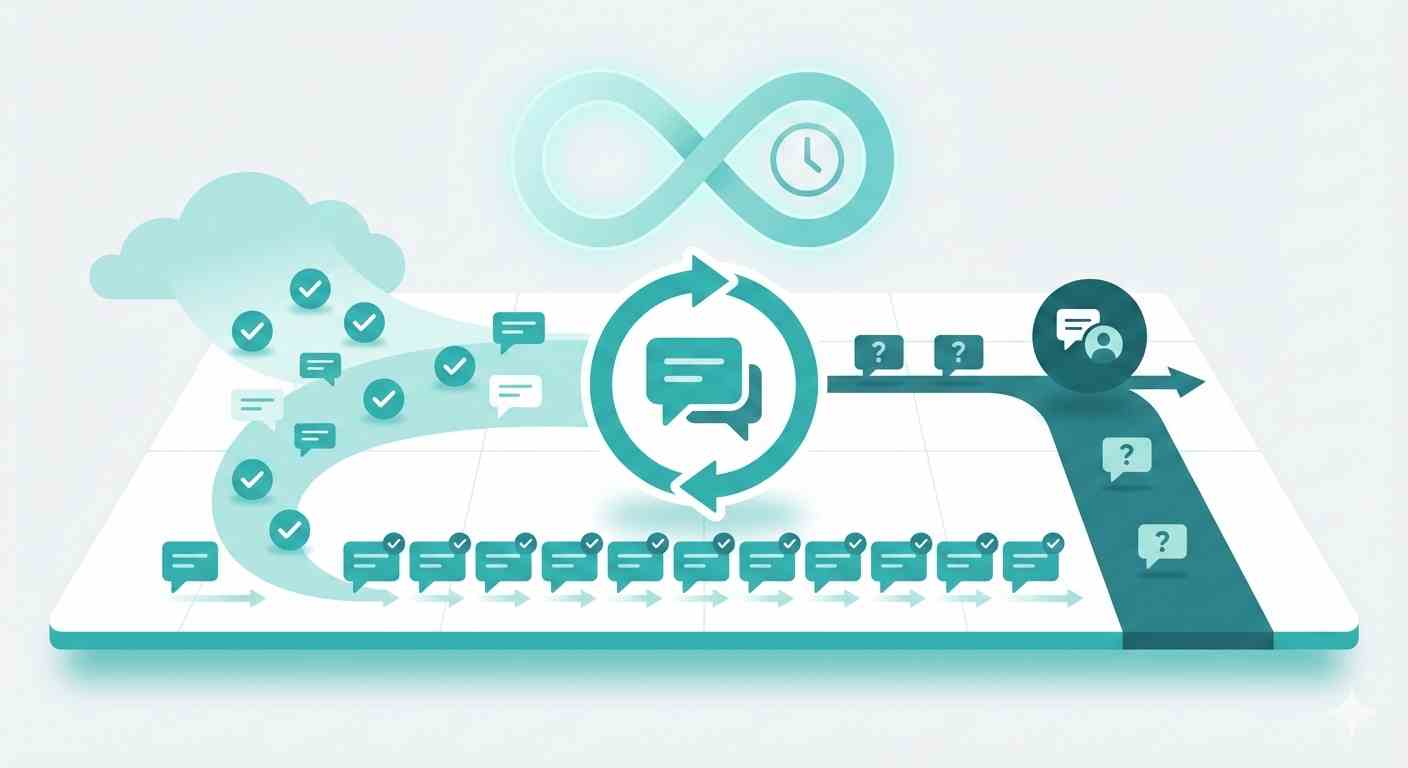
Sales teams waste time chasing leads that were never a good fit. AI agents now qualify leads in real time through chat forms and email replies.
An agent can ask budget timeline and intent questions, then route only strong leads to sales. On a website, this feels like a natural conversation, not a form. In an email, it feels like a quick follow-up, not automation.
A SaaS business using an AI agent connected to HubSpot can score leads automatically and book meetings only when there is real intent.
Key benefit
Sales teams talk to fewer people but close more deals
3. Internal operations and task coordination
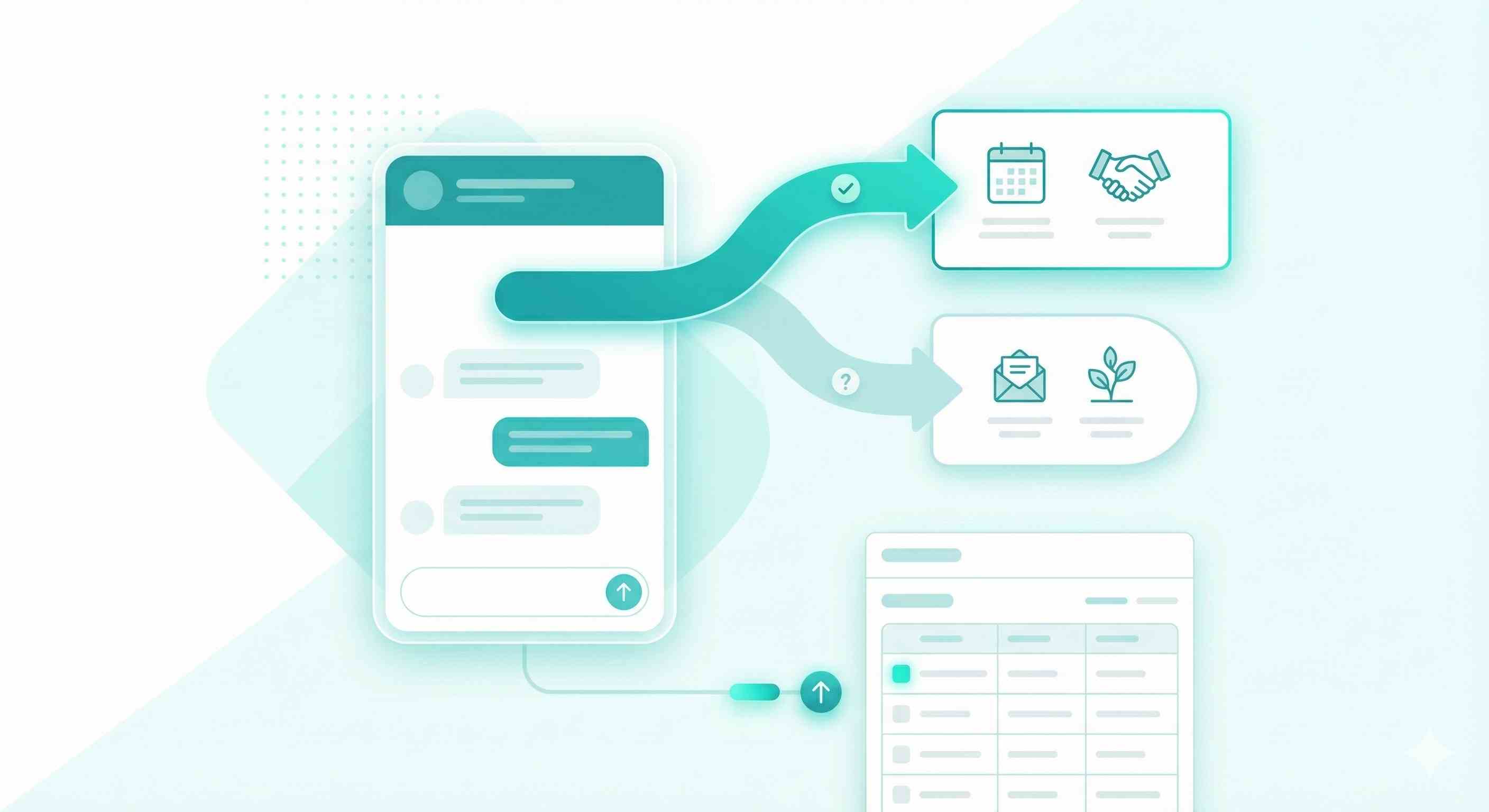
Small teams lose hours each week to handoffs, reminders, and status checks. AI agents now act as internal coordinators.
They can assign tasks, follow up on deadlines, summarize updates, and answer internal questions like project status or document location. Inside tools like Slack or Microsoft Teams, this feels like having a smart operations manager on call.
Example
An agency uses an AI agent to track client deliverables. Team members ask one question and get a clear update instead of chasing messages.
Key benefit
Less chaos, fewer meetings, better focus
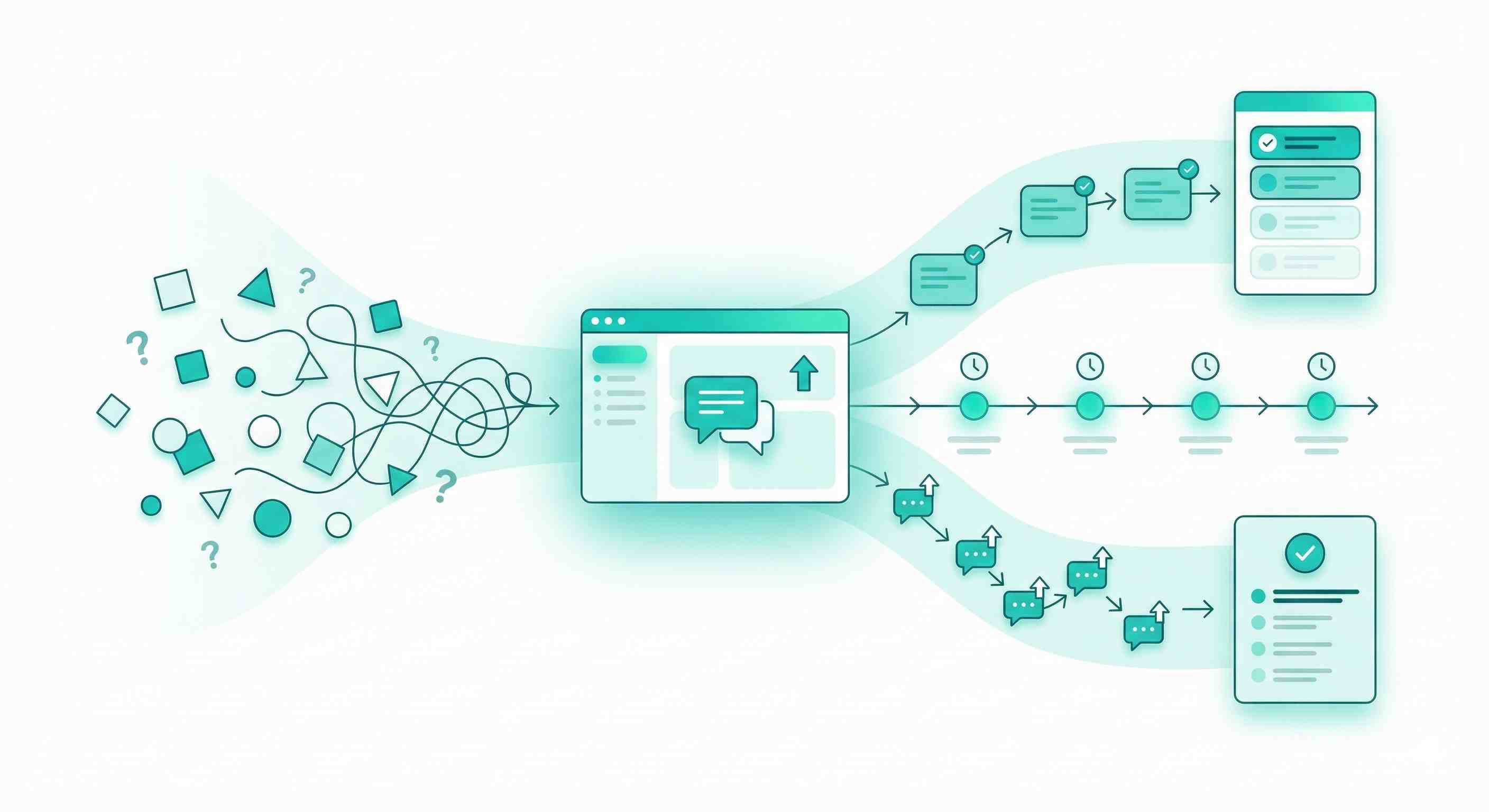
4. Finance and accounting support without extra staff
AI agents now assist with routine finance tasks that once needed a full time hire or external help.
They categorize expenses, flag anomalies, generate invoices, and answer basic finance questions. When connected to tools like QuickBooks, they can explain cash flow trends in plain language.
A founder can ask why expenses spiked last month and get a clear answer in seconds.
Key benefit
Better visibility with less effort
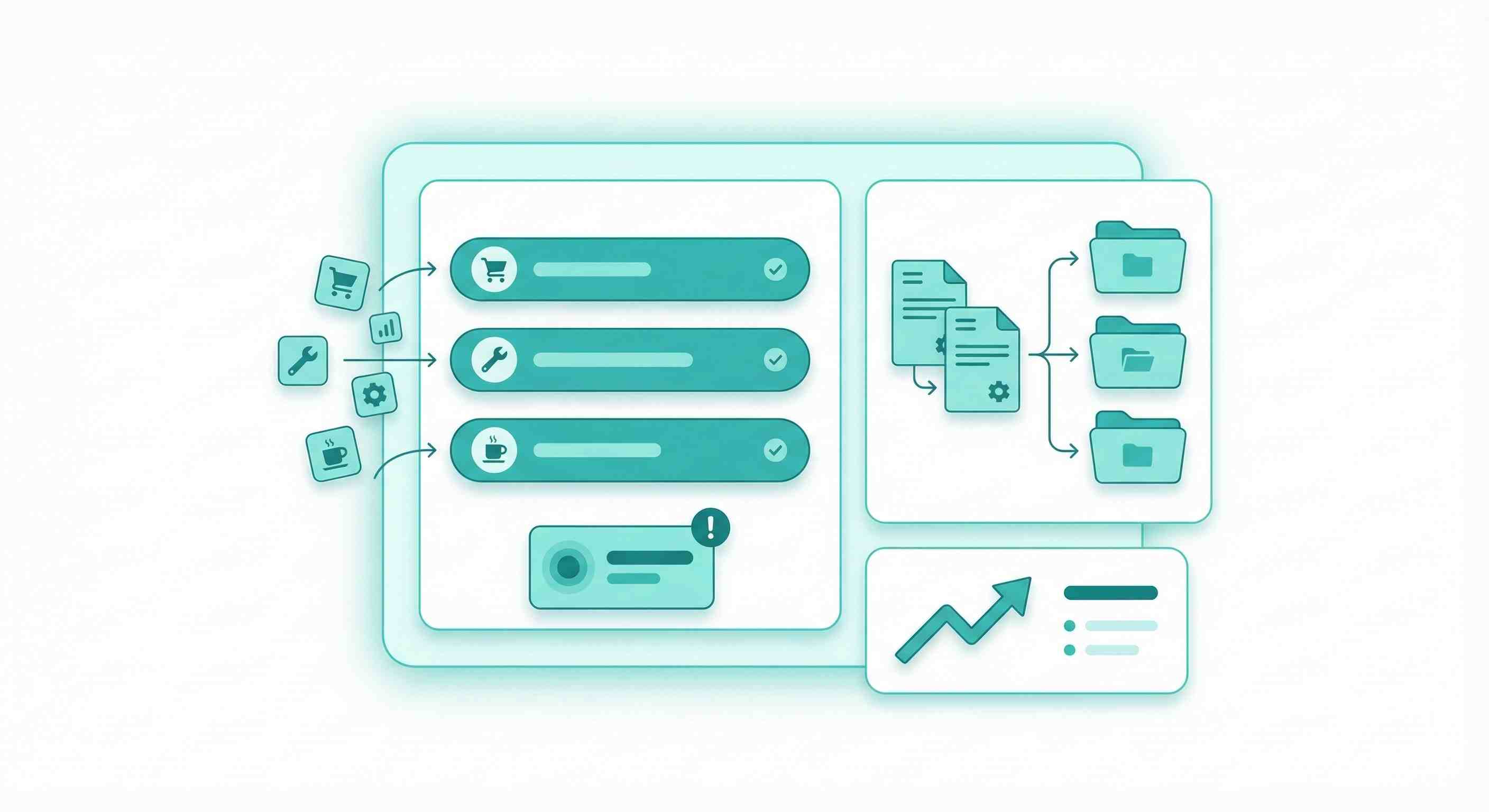
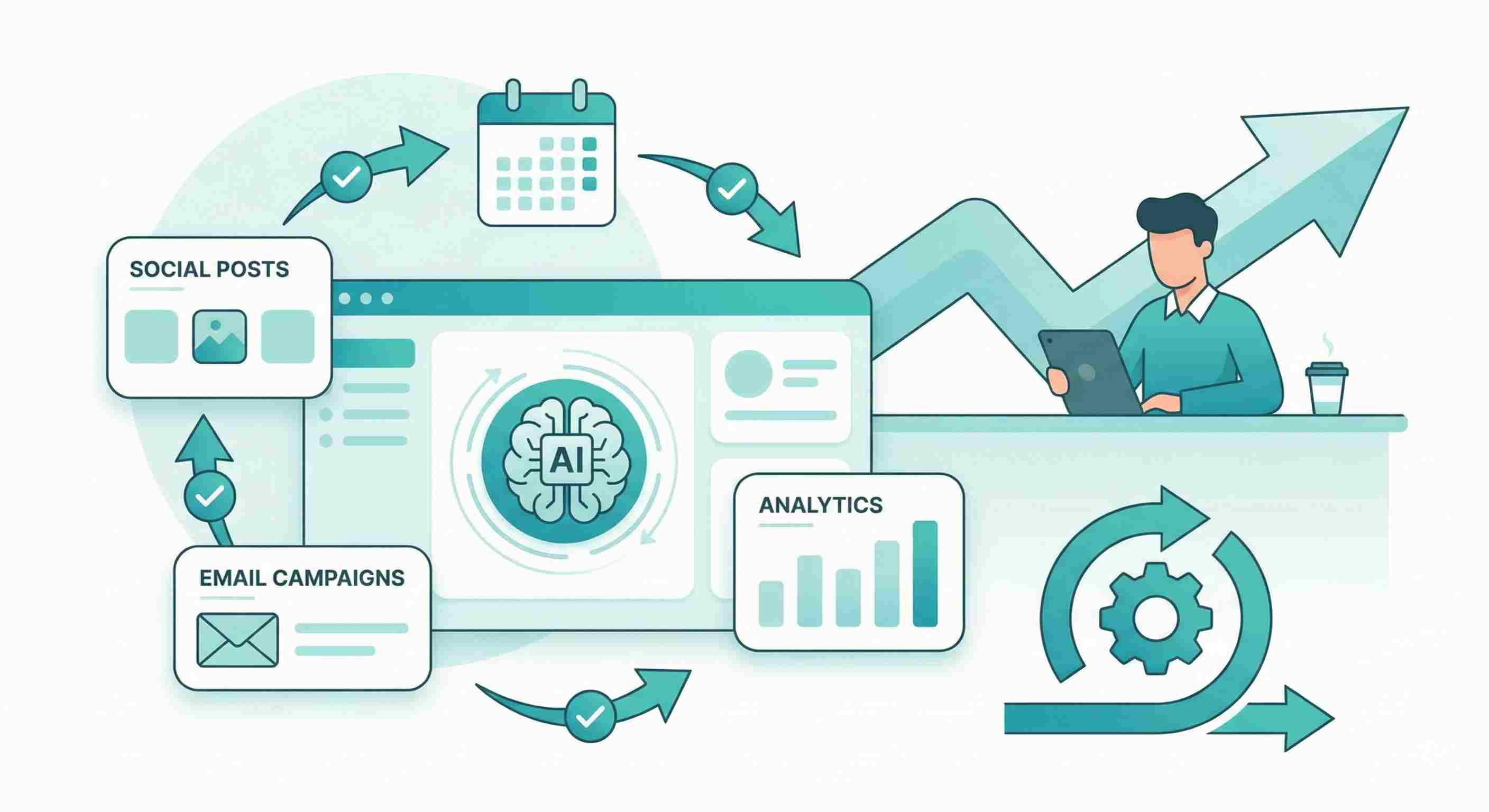
5. Marketing execution at a steady pace
Marketing often stops when teams get busy. AI agents help maintain consistency.
They draft social posts, prepare email campaigns, suggest content topics, and reuse high-performing ideas. An agent connected to analytics can spot which messages worked and suggest similar ones.
For example, a local service business can use an AI agent to send weekly email updates based on recent customer questions and reviews.
Key benefit
Marketing keeps moving even when the team is stretched
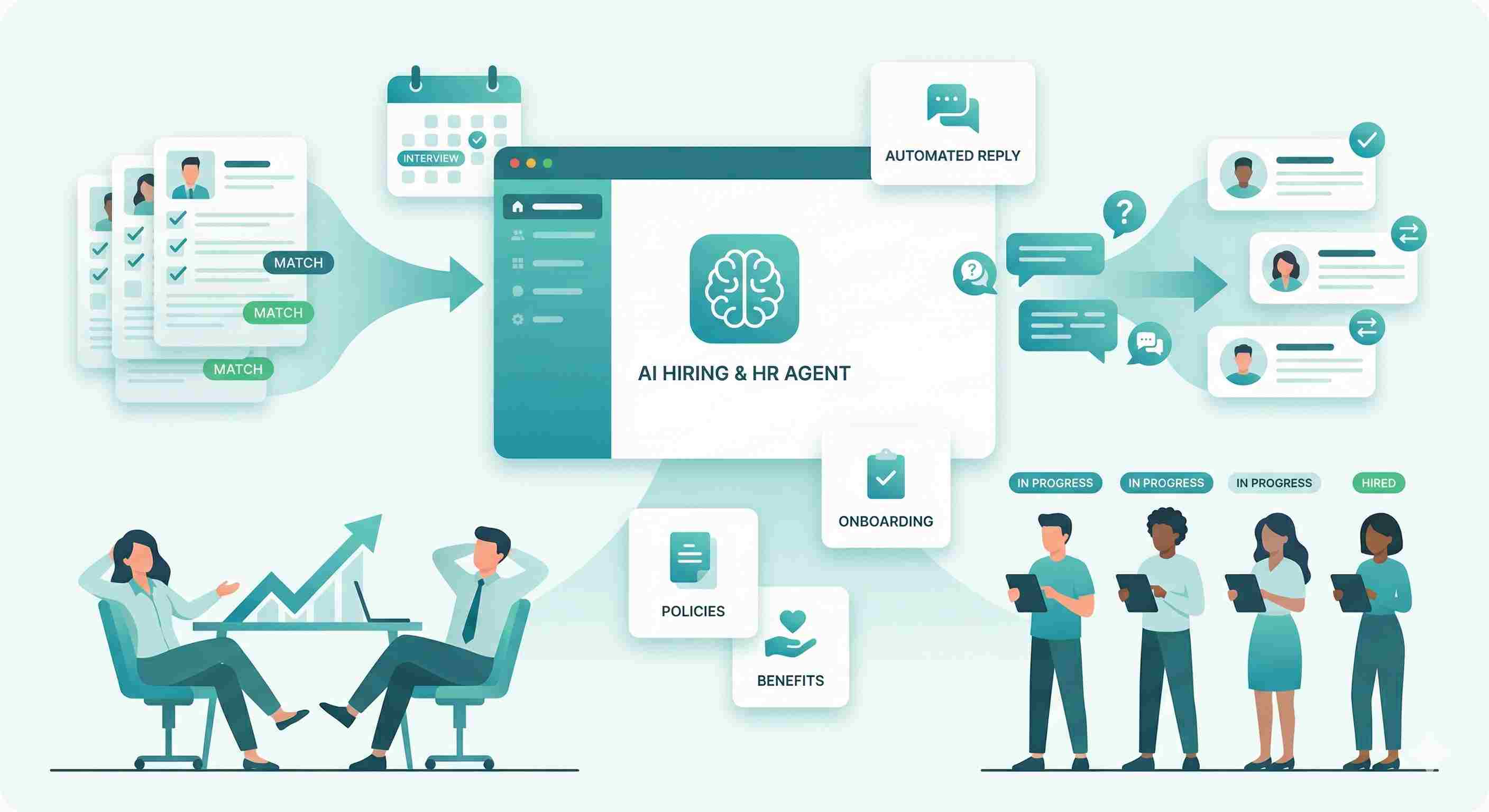
6. Hiring and HR support for growing teams
Hiring eats time. AI agents now handle early steps like screening resumes, scheduling interviews, and answering candidate questions.
They can match job requirements with resumes and flag strong fits. Internally, they answer HR questions about leave policies, onboarding steps, and benefits.
A growing startup using an AI agent alongside BambooHR reduces back and forth while keeping candidates informed.
Key benefit
Faster hiring without burning out founders
7. Decision support using business data
In 2026, AI agents are increasingly used as decision assistants.
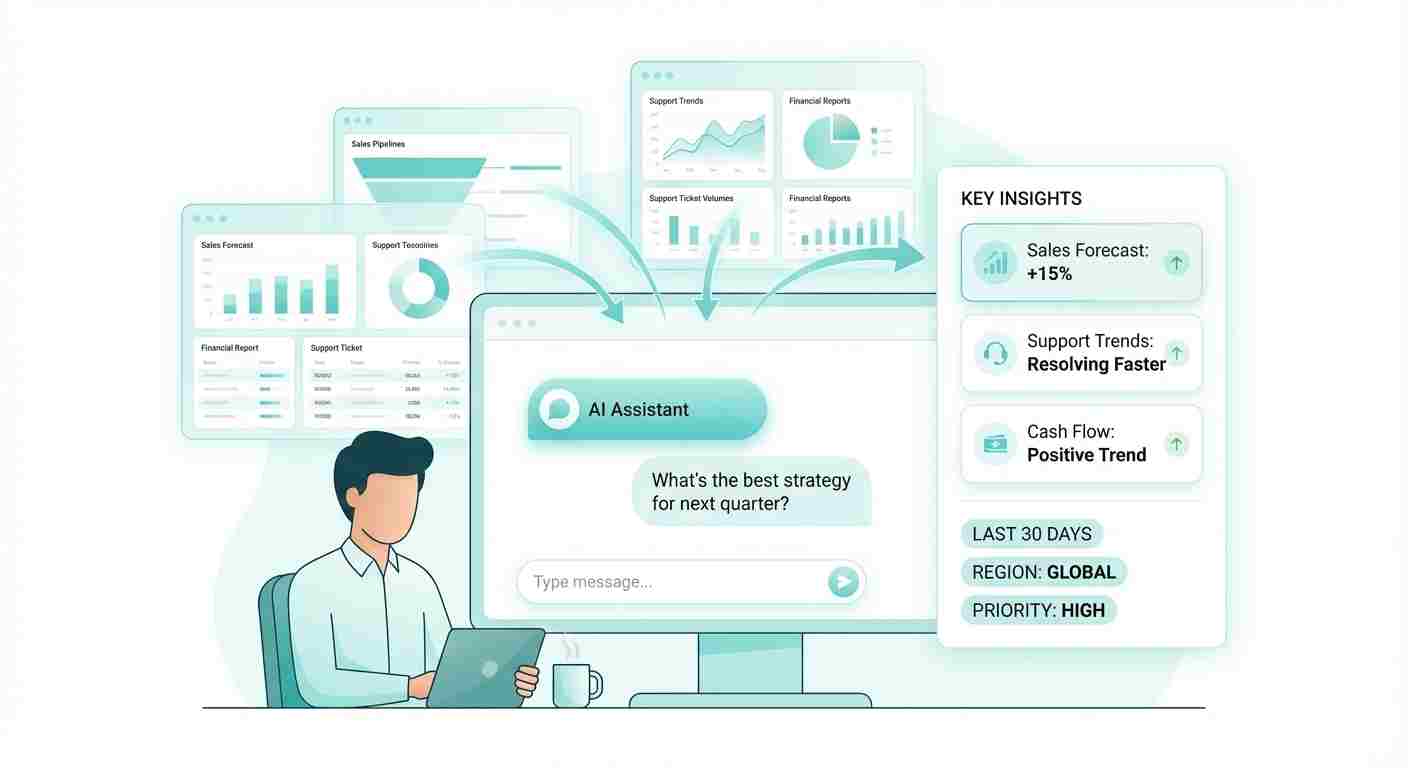
They pull data from sales support and finance systems, then summarize patterns. Instead of digging through dashboards, a business owner asks direct questions.
Example
Which product caused the most support issues last quarter
Which customer segment churned the most this month
The agent answers with context and numbers, not vague insights.
Key benefit
Clearer decisions without data overload
How to start without overcomplicating it
Many SMBs fail by trying to automate everything at once. A better approach works like this
1 Pick one process that repeats daily
2 Connect an AI agent to the tools already in use
3 Start with simple goals like fewer tickets or faster replies
4 Expand only after results are clear
AI agents work best when they solve one real problem well.
Conclusion
AI agents in 2026 are practical tools, not experiments. For small and medium businesses, they act as support reps, sales assistants, operators, and analysts rolled into one.
The teams that win are not the ones using the most AI. They are the ones using it where it removes friction and frees people to focus on work that actually needs them.
Start Using AI Agents for Your Business
Create AI agents that handle real business tasks like support, lead capture, and automation without complexity.