Portfolio Website vs Resume: Why You Need Both -
Created: 17/11/2026
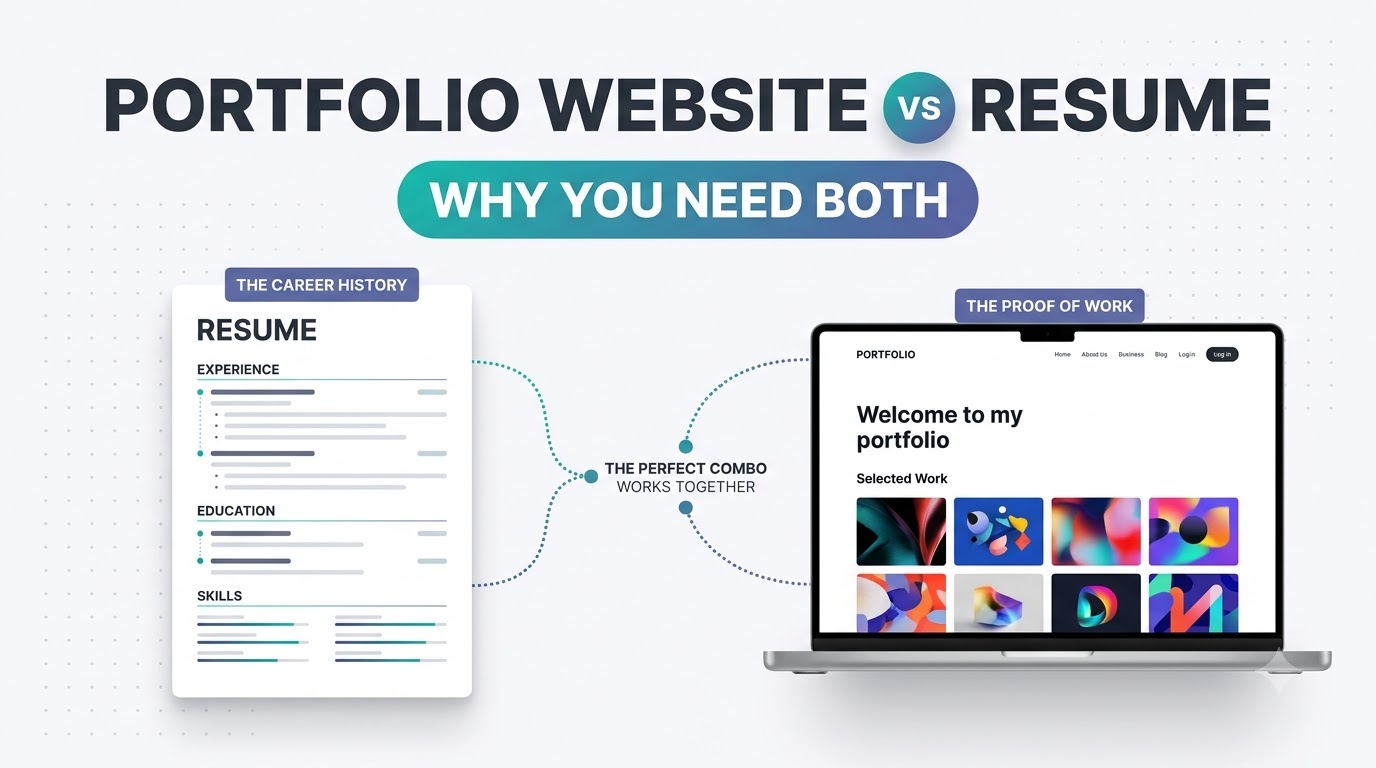
When applying for a job, your resume is usually one of the first things an employer sees. It summarizes your education, experience, skills, and qualifications. But a resume has limited space to demonstrate what you can actually do.
That's where a portfolio website becomes useful.
A portfolio website allows you to showcase your work, projects, achievements, and practical skills in more detail. While a resume tells employers about your experience, a portfolio gives them examples of your abilities.
Both serve different purposes, and using them together can help you present a stronger professional profile.
What Is a Resume?
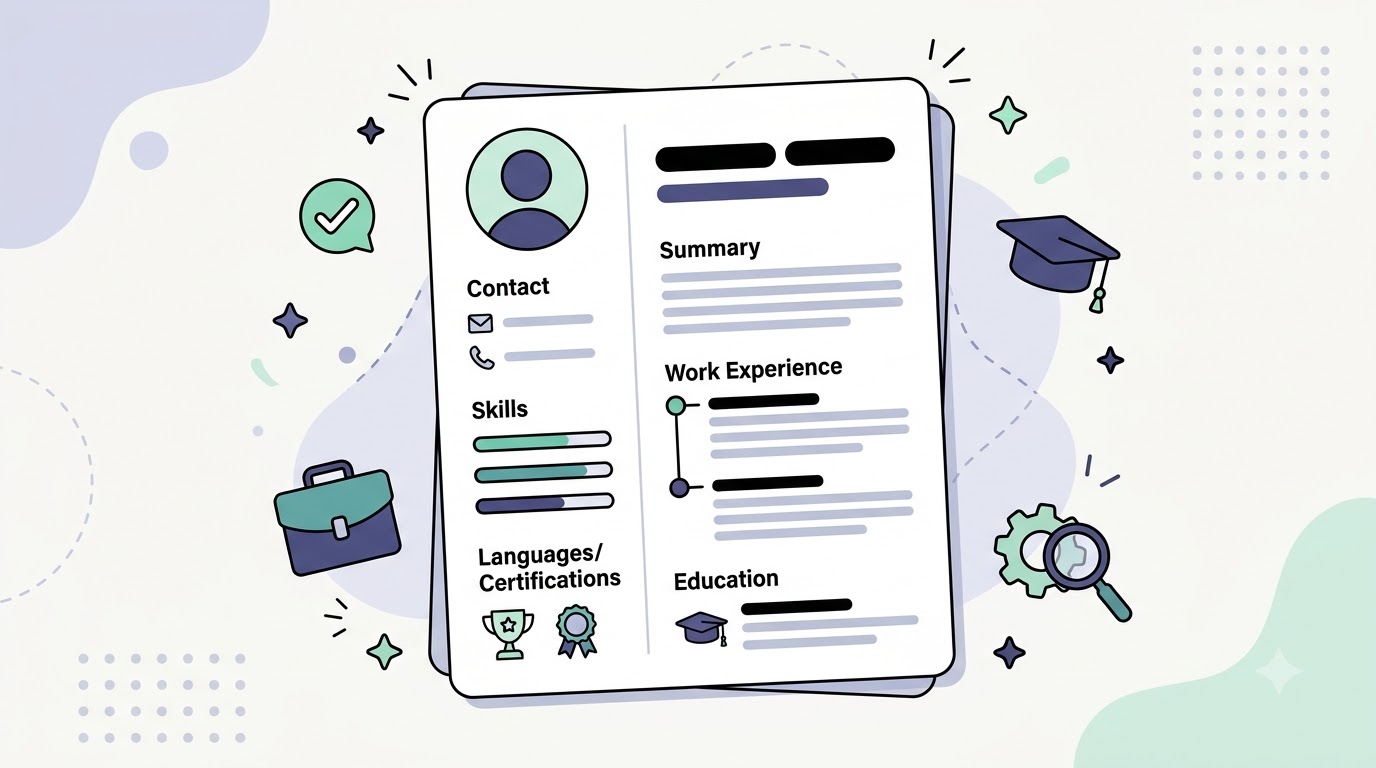
A resume is a document that summarizes your professional background and qualifications. It gives recruiters a quick overview of your experience and helps them understand whether your profile matches a job requirement.
A typical resume includes:
• Contact information
• Professional summary
• Work experience
• Education and qualifications
• Technical and professional skills
• Certifications and achievements
A resume is usually concise and tailored to the position you're applying for. Its purpose is to communicate your qualifications quickly.
What Is a Portfolio Website?
A portfolio website is an online space where you showcase your work, projects, skills, and professional achievements.
Unlike a resume, it gives you more flexibility to demonstrate your abilities through images, videos, case studies, live projects, and other examples.
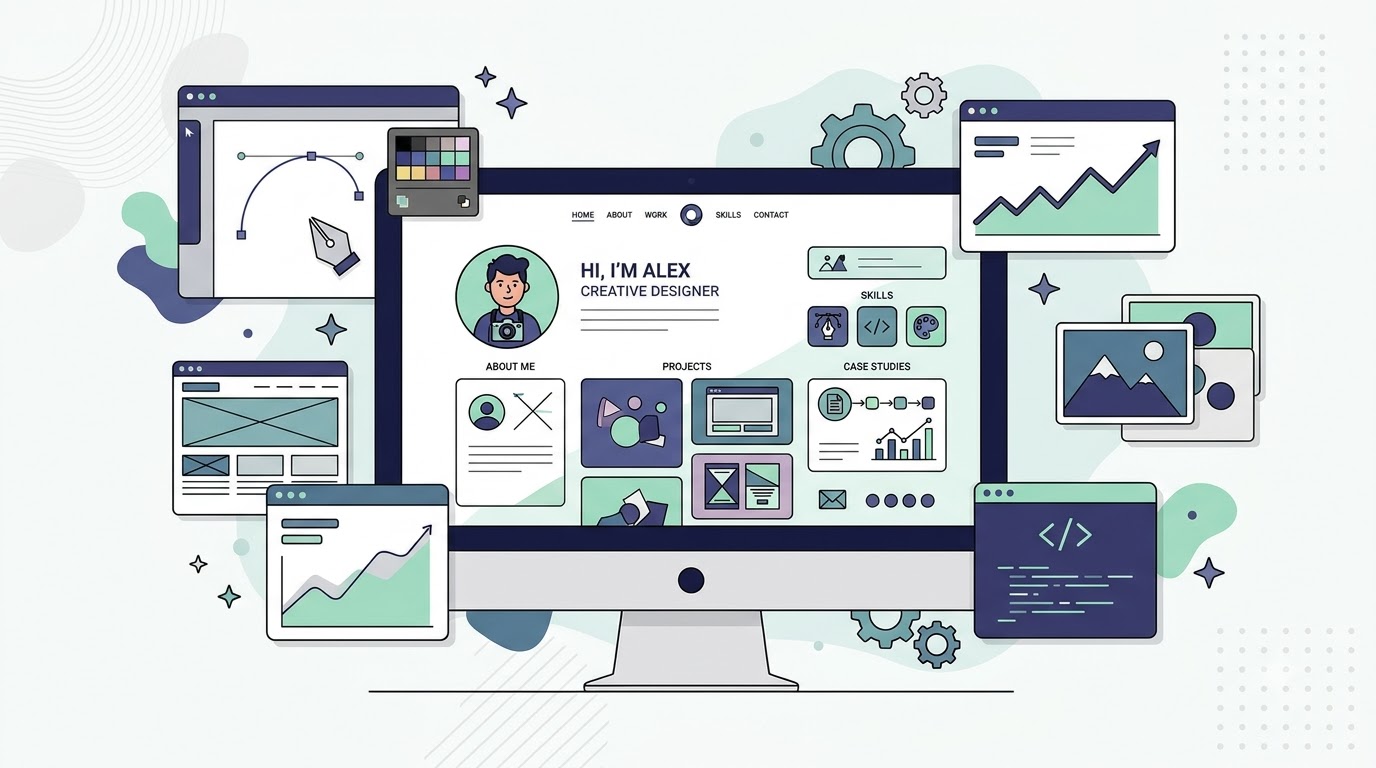
A portfolio website can include:
• Homepage: Introduce yourself and explain what you do.
• About Me: Share your background, experience, and professional interests.
• Projects: Showcase your best work with descriptions and visuals.
• Skills: Highlight your technical and creative abilities.
• Case Studies: Explain the problems you worked on, your approach, and the outcomes.
• Contact: Provide your email address and professional social media links.
For example, a graphic designer can display branding projects, a developer can share live websites and GitHub repositories, and a digital marketer can showcase campaigns and marketing case studies.
Portfolio Website vs Resume: What's the Difference?
The main difference between a portfolio website and a resume is how they present your professional abilities. A resume provides a short, structured overview of your education, experience, qualifications, and skills. It helps recruiters quickly understand your professional background.
A portfolio website provides a more detailed view of your actual work. It allows you to showcase projects, explain your process, display results, and demonstrate how you apply your skills in real situations.
For example, a resume might mention that you have experience with graphic design, while your portfolio can show the logos, branding materials, and visual projects you've created.
In simple terms, a resume tells employers what you can do, while a portfolio website shows them examples of what you have done.
Why Do You Need Both?
Having both a resume and a portfolio website gives employers a more complete understanding of your professional profile.
Here are some reasons to use them together:
1. Show Your Work, Not Just Your Skills
You can list skills such as web development, graphic design, copywriting, or digital marketing on your resume. However, listing a skill doesn't demonstrate how well you can apply it.
A portfolio allows you to provide actual examples of your work. Employers can explore your projects and understand your capabilities.
2. Provide More Details About Your Projects
A resume has limited space, so you may not be able to explain every project in detail.
Your portfolio website gives you room to describe project goals, your responsibilities, the tools you used, and the outcomes.
This is particularly useful for professionals whose work is best demonstrated through practical examples.
3. Build Your Professional Online Presence
A portfolio website gives you a dedicated online space to present your work and professional identity.
You can share its link on LinkedIn, your resume, job applications, and professional profiles. This also makes it easier for potential employers and clients to explore your work.
4. Stand Out From Other Applicants
Many applicants may have similar educational qualifications or technical skills. A well-organized portfolio with relevant projects can give employers additional information when evaluating candidates.
It also demonstrates that you have taken the time to document and present your work professionally.
5. Keep Your Work Updated
You can update your portfolio whenever you complete a new project, learn a skill, or achieve something professionally.
You don't need to redesign your entire resume every time you add a project. You can simply update your portfolio and include its link in your resume.
How to Create a Portfolio Website With AI
You don't need coding skills to create a professional portfolio website. AI website builders can help you generate a website structure and design based on your requirements.
For example, with Simplagents, you can describe the type of portfolio you want and use AI to generate the initial website.
Try this prompt:
"Create a modern professional portfolio website for a digital marketer. Include a homepage, professional introduction, skills, work experience, selected projects, case studies, achievements, and contact section. Use a clean, minimal design with a white background, black typography, and teal accents. Make the website responsive and easy to navigate."
Once the website is generated, add your actual projects, work samples, achievements, and professional information. Customize the design to match your personal brand.
You can then add your portfolio website link to your resume and LinkedIn profile so employers can easily access your work.
What portfolio website would you like to create?
Describe your work, skills, or personal brand, and AI will create a professional portfolio website for you.
Tips for Using Your Resume and Portfolio Together
Creating both is useful, but make sure they complement each other.
• Keep your resume concise and relevant to the job.
• Include a link to your portfolio website in your resume.
• Showcase only your strongest and most relevant projects.
• Make sure the information on both matches.
• Keep your portfolio updated as you complete new work.
• Clearly explain your role in each project.
• Make your portfolio easy to navigate on desktop and mobile.
Final Thoughts
A resume and portfolio website serve different purposes, and both can help you present your professional abilities more effectively.
Your resume gives recruiters a quick overview of your qualifications, while your portfolio provides examples of your work and demonstrates how you apply your skills.
Whether you're a student, freelancer, designer, developer, or marketer, consider creating both. You can use your resume to introduce your professional background and your portfolio website to showcase what you can actually do.
Templates for absolutely anything
Launch Portfolio, workflows, forms and tools in minutes. Use ready-made template patterns customized for support, lead generation, sales, and operations.